Cost of Living Crisis: Strategies for Managing Housing, Food, and Fuel Expenses
The U.S. is facing a cost of living crisis impacting housing, food, and fuel prices. An article explores various strategies for individuals to manage these rising expenses.
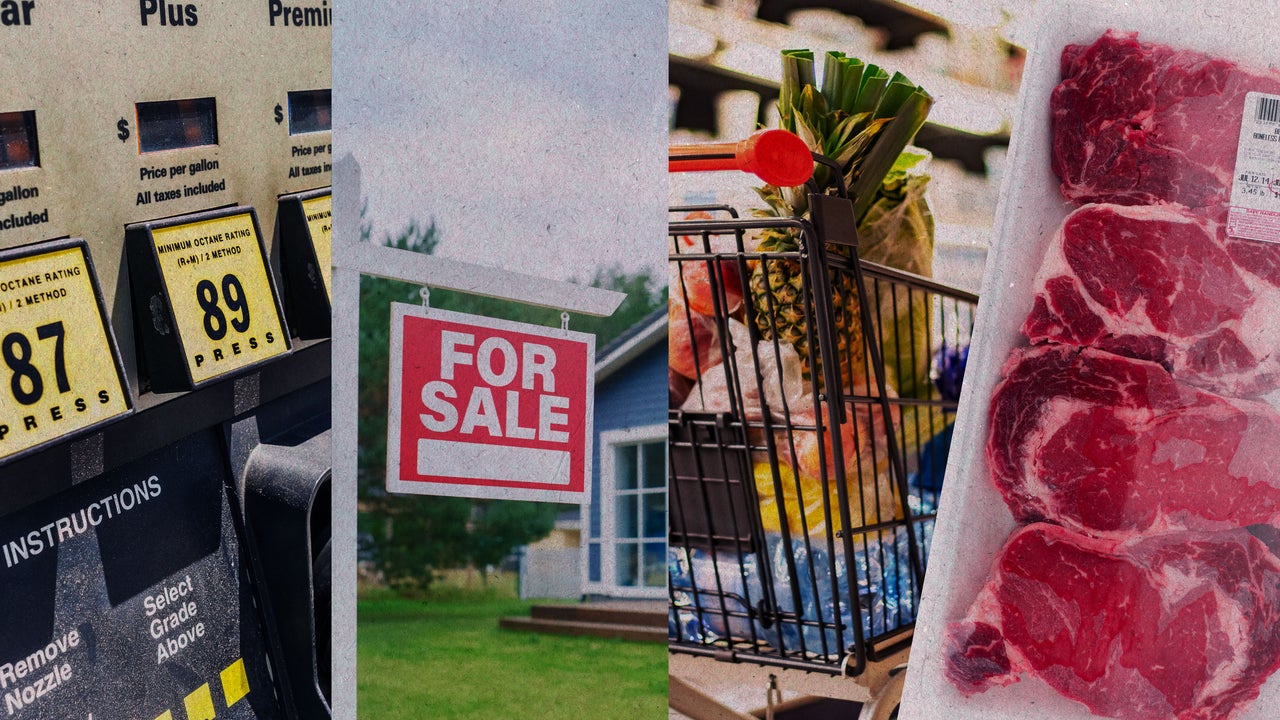
The United States is currently experiencing a significant cost of living crisis, marked by escalating expenses for housing, food, and fuel. Projections indicate a median home sale price of $410,700 by 2026, with monthly homeownership costs potentially reaching $3,558, encompassing mortgage, maintenance, insurance, and property taxes. Rental costs are also substantial, averaging $1,667 per month for a 695-square-foot apartment.
In response to these financial pressures, Americans are exploring alternative living arrangements. Multi-generational housing, where extended family members share a home and expenses, is gaining traction, with 18% of the U.S. population living in such arrangements in 2021. Home-sharing with non-relatives is also on the rise, with 6.8 million households accommodating housemates in 2023. Professional house-sitting, which eliminates rent or mortgage payments, is another emerging strategy.
To mitigate rising food costs, consumers are increasingly joining bulk-buying clubs like Sam's Club and Costco, sharing purchases among friends and family to access lower per-unit prices. Reducing food waste through meal preparation and home cooking is also advised. Membership in these wholesale stores has seen a notable increase among younger adults who split bulk purchases.
Addressing high fuel prices involves driving less, adopting fuel-efficient driving habits, and maintaining vehicles. The significant increase in remote work, with 12% of Americans working from home in April according to USA Today, also contributes to reduced fuel consumption and associated travel expenses.