Crédit Agricole's Role During World War I
The First World War presented challenges for the then-young Crédit Agricole, slowing its development but also highlighting its essential role in supporting French agriculture.
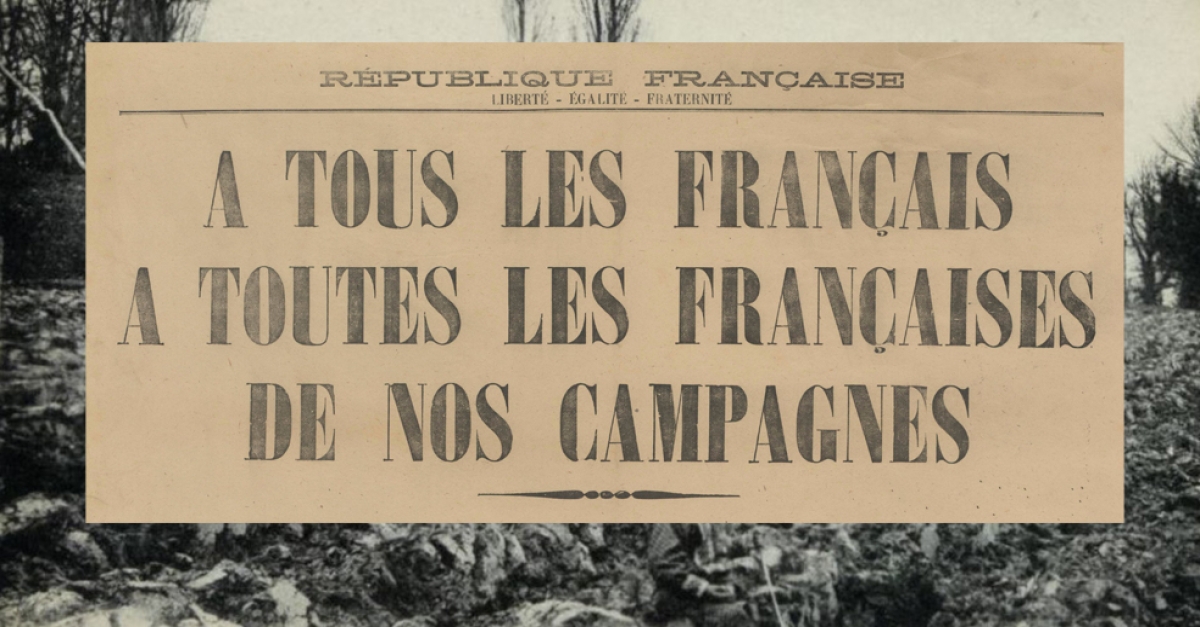
The centenary commemorations of the armistice of November 11, 1918, provide an opportunity to examine Crédit Agricole's history during the First World War. The conflict forced the still-developing banking group to adapt, impacting its operations while underscoring its utility for the French agricultural sector.
In 1914, Crédit Agricole was a nascent organization. The first local bank was established in 1885, followed by the law in 1894 that enabled the widespread creation of agricultural credit companies. The regional banks, founded in 1899, were only about fifteen years old. A central governing body was absent; the National Office of Crédit Agricole, the direct ancestor of Crédit Agricole S.A., would not be established until 1920.
The war significantly disrupted Crédit Agricole's operations. The mobilization of men of fighting age left farms largely in the care of women and older or infirm individuals. This led to a decline in investment and, consequently, credit demand. The situation was exacerbated by the unavailability of many directors, employees, and volunteers. Some regional banks faced forced relocation due to advancing German troops, while others struggled to function due to staff shortages, with some temporarily suspending activities.
Despite these challenges, Crédit Agricole began to recover from 1916. A General Inspection of Credit and Agricultural Associations was established. The French government also utilized Crédit Agricole to support its productionist policies aimed at bolstering the war effort, leading the bank to engage in various financing initiatives that solidified its role in the national economy.