Creality 3D Details Causes and Solutions for Print Warping
Shenzhen Creality 3D Technology Co., Ltd. has published a guide addressing print warping, a common issue caused by thermal contraction and poor bed adhesion.
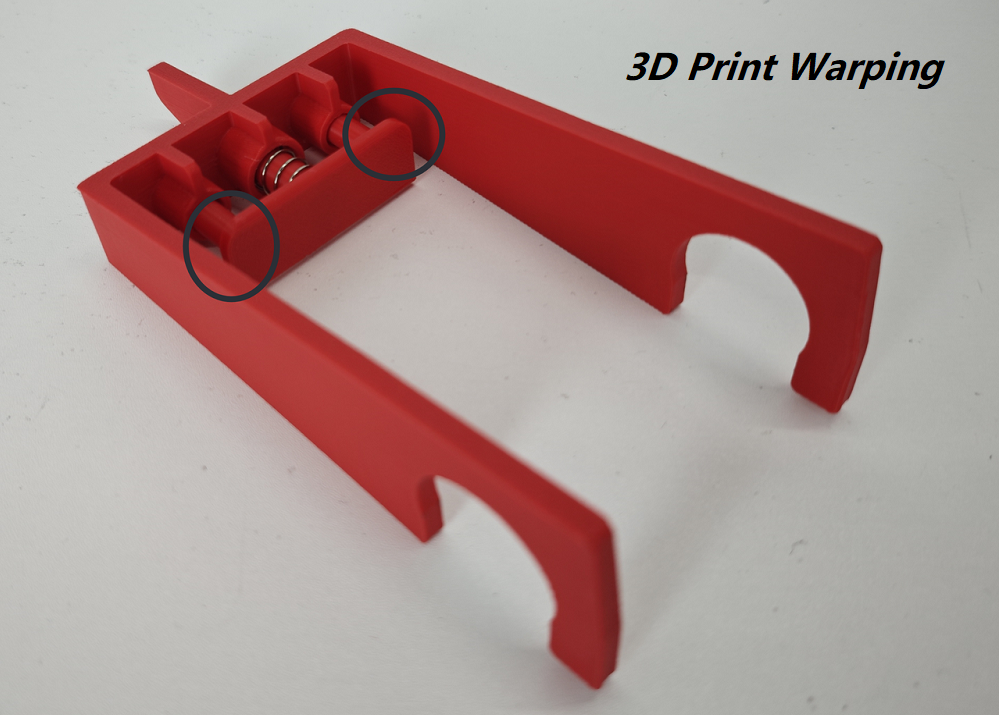
Shenzhen Creality 3D Technology Co., Ltd. has released a comprehensive guide detailing the causes and solutions for print warping, a prevalent problem in 3D printing. Warping occurs when layers of a print lift or curl away from the build plate, typically due to uneven cooling and material shrinkage.
The company explains that warping arises from thermal contraction and residual stress. As lower layers of a print cool and shrink before upper layers, internal stress develops, pulling the print's edges upwards. Common indicators include lifted corners or edges, distorted bases, cracks, and complete print detachment from the build plate.
Several factors contribute to warping, including rapid temperature fluctuations, insufficient bed adhesion, the inherent shrinkage properties of certain filaments (like ABS), excessive print speed, uneven bed leveling, and environmental conditions such as drafts or low ambient temperatures. High humidity can also exacerbate the issue.
Creality 3D suggests multiple strategies to combat warping. These include enhancing bed adhesion with cleaning agents and adhesives, utilizing slicer features like brims or rafts to increase surface area, adjusting bed temperatures, enclosing the printer for stable thermal conditions, and ensuring proper bed leveling. Slowing down the initial layer print speed and selecting appropriate filament types are also recommended preventive measures.