Creality Compares Resin vs. Filament 3D Printing Technologies
Shenzhen Creality 3D Technology Co., Ltd. has released a guide comparing resin and filament 3D printing. The company aims to help consumers choose between the two technologies based on factors like detail, cost, and application.
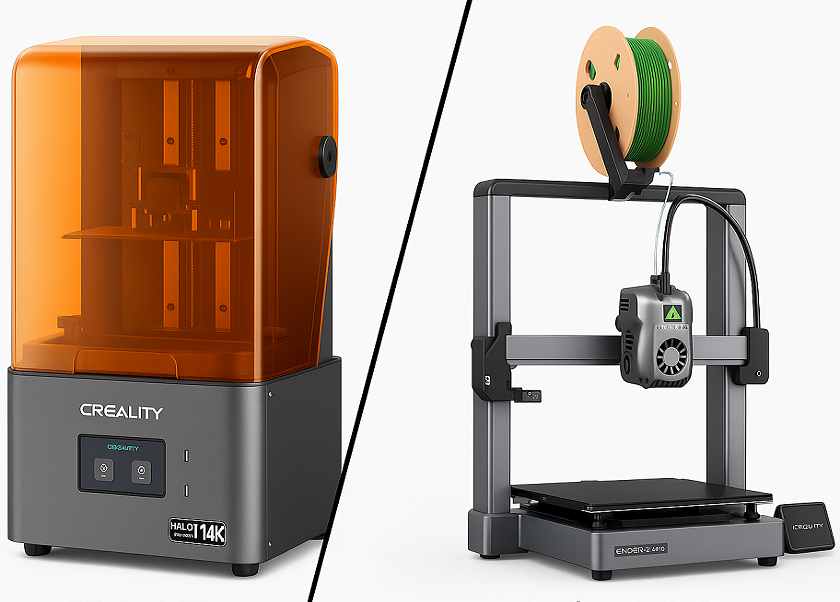
Shenzhen Creality 3D Technology Co., Ltd. has published a comparative guide detailing the differences between resin and filament-based 3D printing technologies. The company aims to assist consumers in selecting the most suitable method for their specific needs.
Filament (FDM) printing, which uses plastic filaments melted and extruded layer by layer, is highlighted as a more accessible and cost-effective option. It is well-suited for larger prints, functional parts, and is generally easier for beginners to operate. Common materials include PLA and ABS, which are readily available and inexpensive.
Resin printing (SLA/DLP/LCD), on the other hand, utilizes UV light to cure liquid resin layer by layer. This process excels in producing highly detailed and smooth prints, making it ideal for miniatures, jewelry, and intricate models. However, it involves higher material costs, requires additional safety precautions due to the chemical nature of resins, and necessitates post-processing steps like washing and curing.
Creality notes that FDM printing can be faster for large-scale objects, while resin printing's precision comes at the expense of longer print times. Cost considerations also favor filament, with both printers and materials generally being more affordable. Resin printing's higher price point reflects its capability for fine detail, but it also demands investment in supporting equipment and safety gear.
The company advises consumers to choose filament for budget-conscious projects requiring durability and size, and resin for applications where intricate detail and surface finish are paramount, provided the associated costs and handling requirements are acceptable. Filament prints are generally considered more physically robust.