Creality identifies top 5 strongest 3D printer filaments for 2026
Shenzhen Creality 3D Technology Co., Ltd. has released a guide ranking the strongest 3D printer filaments for 2026, emphasizing materials suitable for end-use parts and load-bearing components.
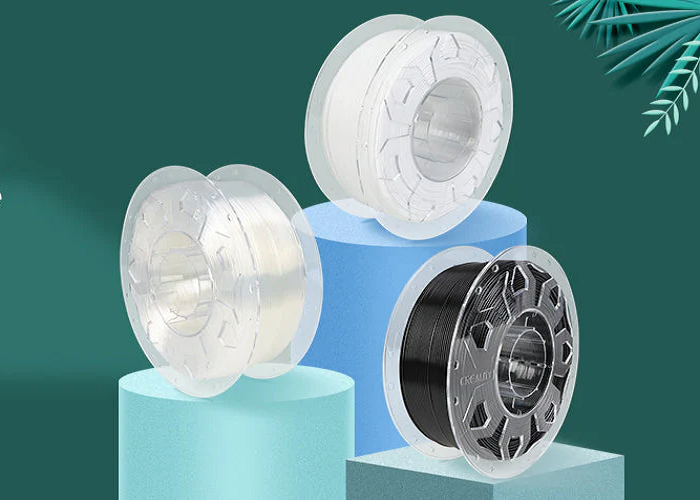
Shenzhen Creality 3D Technology Co., Ltd. has published a guide detailing the five strongest 3D printer filaments for 2026, providing insights for both professionals and hobbyists on material selection. The ranking considers factors such as tensile strength, impact resistance, and heat resistance, crucial for creating durable, functional parts.
Topping the list are PEEK and PEKK (polyetheretherketone and polyetherketone), high-performance polymers recognized for their industrial applications. These materials boast heat resistance exceeding 250°C and offer high mechanical stability and chemical resistance, making them suitable for aerospace and medical components. However, they require specialized high-temperature printers and are not compatible with most consumer-grade machines.
Following PEEK and PEKK is carbon fiber-reinforced nylon (PA-CF / PPA-CF), known for its high stiffness-to-weight ratio and enhanced structural performance compared to standard nylon. This material is often used for projects like drone frames and RC parts. Polycarbonate (PC) ranks third, cited for its toughness and high impact resistance, making it a strong choice for mechanical components, though careful attention to printing parameters is needed to prevent warping.
For applications requiring a balance of strength and flexibility, TPU (thermoplastic polyurethane) is highlighted for its resilience to repeated stress, suitable for seals and gaskets. For the everyday consumer and hobbyist, Tough PLA and PETG are presented as reliable options offering moderate tensile strength and good layer adhesion for functional parts and prototypes.
The guide also touches upon FDM versus SLA printing technologies, noting that while FDM is suitable for high-temperature materials and large parts, SLA may offer better strength consistency for high-stress applications. Material choice depends on the specific project requirements and desired performance characteristics.