Creality Offers Guidance on PLA Filament Storage
Shenzhen Creality 3D Technology Co., Ltd. has released a guide on the proper storage of PLA filament. Over 60% of 3D printing failures are linked to improper filament storage.
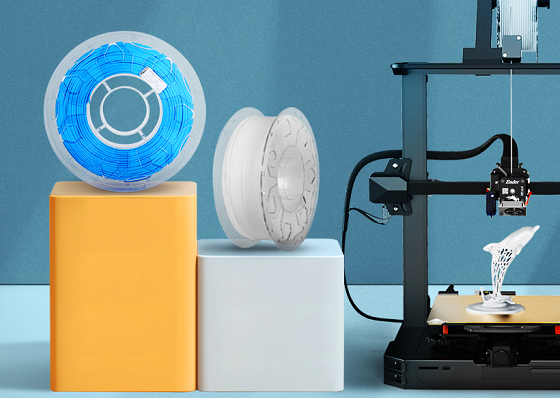
Shenzhen Creality 3D Technology Co., Ltd. has published a comprehensive guide detailing how to properly store Poly Lactic Acid (PLA) filament, a common material in 3D printing. According to the company, over 60% of 3D printing failures stem directly from improper filament storage, highlighting the importance of correct warehousing for print quality.
The hygroscopic nature of PLA filament makes it susceptible to moisture, which can lead to several issues. These include filament brittleness, noise during printing, discoloration, and degraded print quality. Creality recommends storing filament in airtight containers, such as sealable bins or vacuum-sealed bags, alongside desiccant packs like silica gel to absorb any residual dampness.
Temperature control is also crucial for preserving PLA filament. The company advises storing it in a cool, stable environment, ideally between 20-25 degrees Celsius (68-77 degrees Fahrenheit). Extreme temperatures, particularly heat, can cause the filament to deform and become delicate, potentially complicating the feeding process into the printer and affecting final print quality.
Furthermore, Creality suggests maintaining humidity levels below 20%, utilizing dehumidifiers if necessary, especially in humid climates. Spools should be organized systematically and stored vertically to prevent warping. The company also offers its own range of filaments designed with packaging intended to maintain their quality during storage until use.