Creality Releases Technical Guide for Electroplating 3D Prints
Shenzhen Creality 3D Technology has released a guide detailing the process of applying metal coatings to plastic 3D-printed components via electroplating.
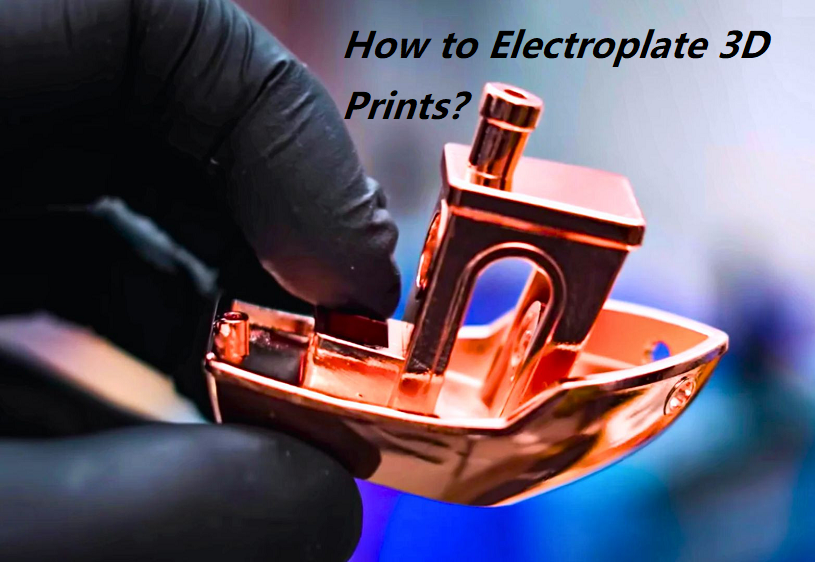
3D printing manufacturer Creality has published technical guidelines for electroplating 3D-printed parts. The process involves depositing a thin layer of metal onto plastic components to improve their aesthetic finish, weight, and electrical conductivity.
Electroplating functions by using the 3D print as a cathode in an electrolytic bath, where metal ions are transferred to the surface using an electric current. According to the company, the process does not correct surface imperfections such as layer lines or structural defects; therefore, rigorous preparation, including sanding and priming, is necessary. PLA is recommended for this process due to its resistance to heat during the coating cycle.
The procedure requires specific equipment, including a low-voltage power supply, conductive spray coatings, and an appropriate electrolyte solution. Creality emphasizes that because the method involves chemical baths, it requires proper ventilation and protective gear to ensure operator safety.