Current COVID-19 Variants in Summer 2026
As of Summer 2026, SARS-CoV-2 variants Stratus, Nimbus, and Cicada are circulating in Germany. Health authorities indicate that existing tests and vaccines remain effective against severe illness, with stable infection rates.
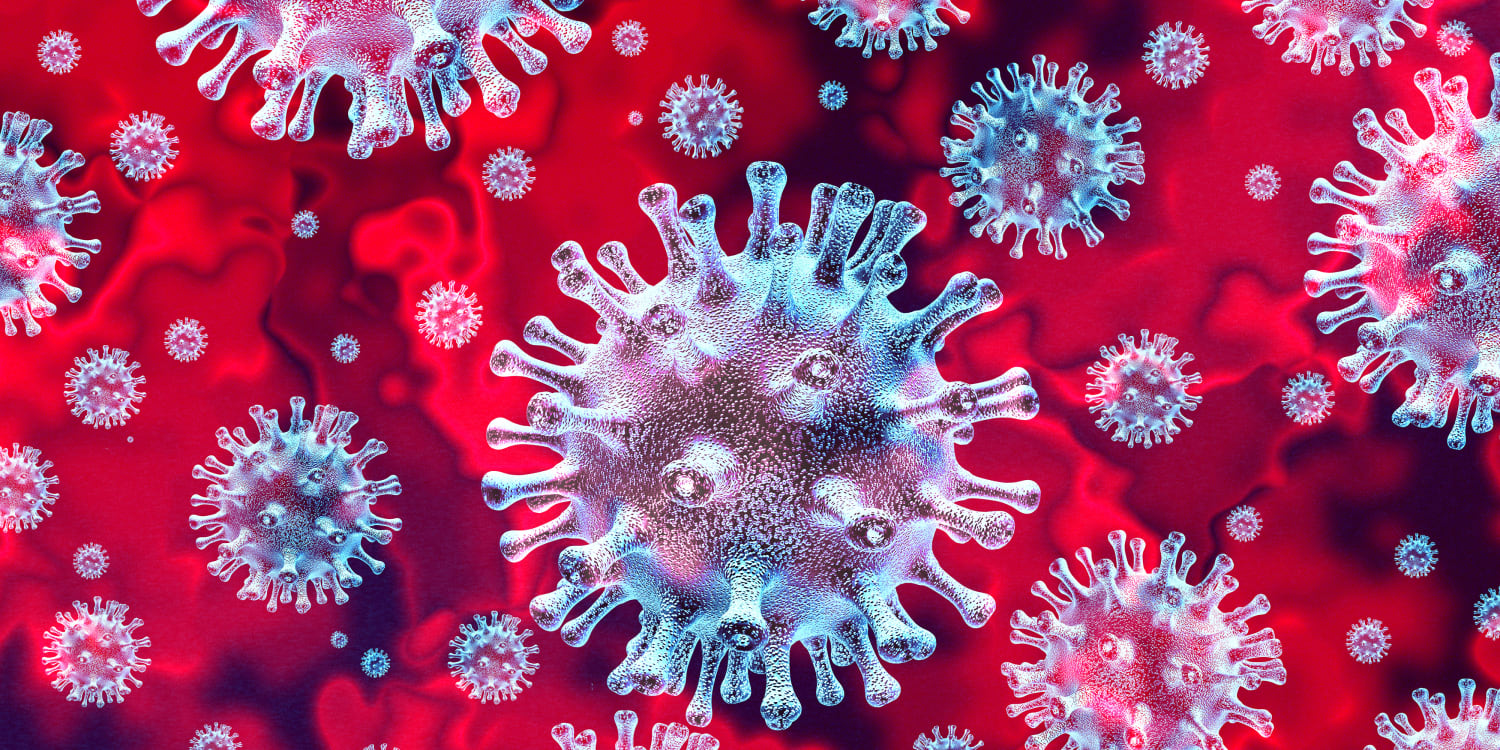
As of June 2026, the predominant SARS-CoV-2 variants identified in Germany are XFG Stratus, NB.1.8.1 Nimbus, and BA.3.2 Cicada. The World Health Organization (WHO) assesses the risk posed by these new variants as low. Experts do not anticipate significant impacts on the effectiveness of COVID-19 vaccines in preventing severe disease.
Infection rates in Germany have remained stable in recent weeks, consistent with steady levels of SARS-CoV-2 detected in wastewater surveillance. The 7-day incidence rate per 100,000 inhabitants varies across federal states, with lowest rates reported in regions like Hesse and Thuringia (0.0) and the highest in Saxony (0.2) according to the Robert Koch Institute (RKI).
Reported symptoms associated with the variants include fever, cough, headache, and sore throat, for Nimbus and Cicada often described as sharp. The Stratus variant tends to replicate primarily in the upper respiratory tract, potentially facilitating faster spread. Existing antigen (rapid) and PCR tests are considered effective for detecting these new variants, provided they are within their expiration date and have been stored appropriately.
An updated vaccine from Biontech has been available since September 2025. The Standing Committee on Vaccination (Stiko) recommends booster vaccinations for individuals aged 60 and older, those with pre-existing conditions, residents of care facilities, and healthcare workers. The optimal timing for a booster is typically in the autumn to ensure maximum protection during the infection season, with at least 12 months ideally having passed since the last vaccination or infection. While mask mandates are not in place, their use is considered a sensible precaution for immunocompromised individuals.