DALY BMS Guides Selection of Battery Systems for India's E-Rickshaws and E-Loaders
DALY BMS has released guidance on selecting Battery Management Systems (BMS) for e-rickshaws and e-loaders in India, emphasizing duty cycle, cost, and regulatory compliance.
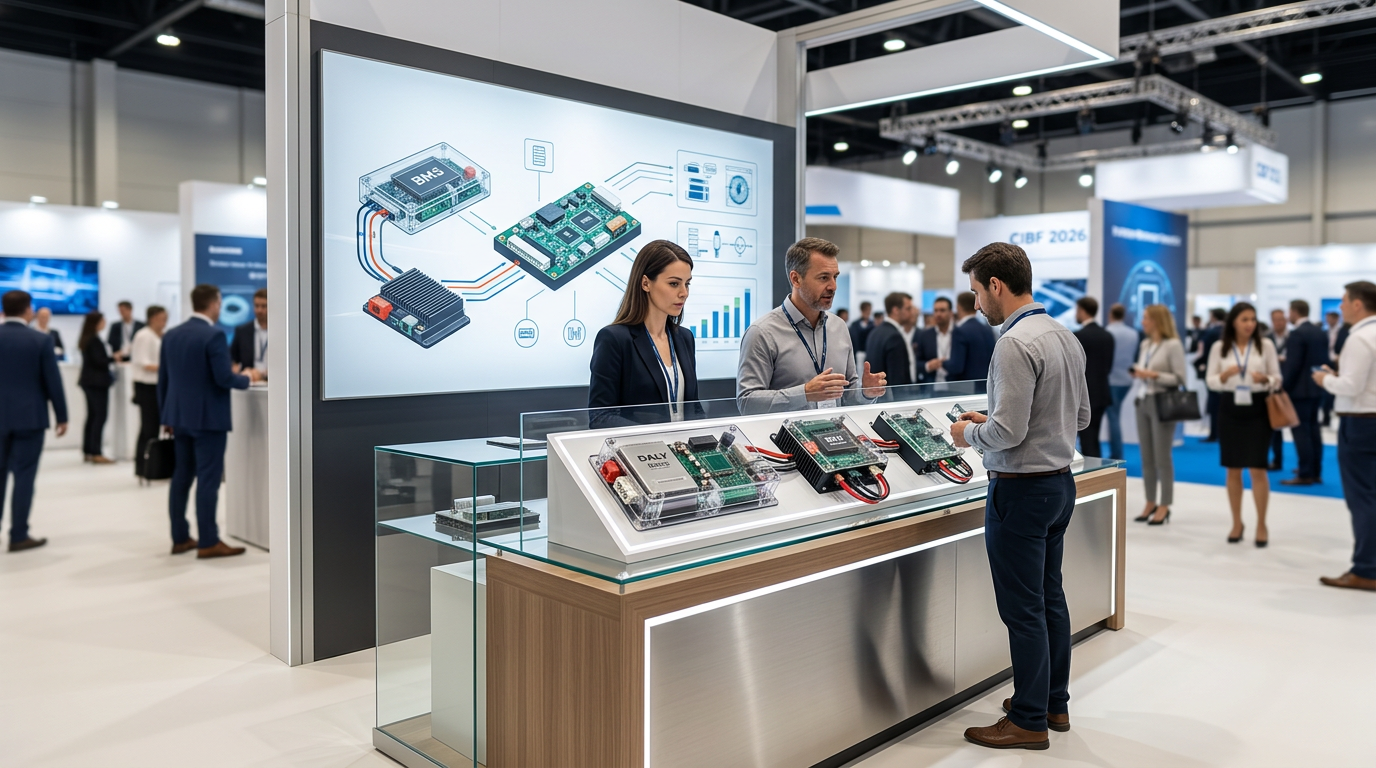
DALY BMS, a provider of Battery Management Systems (BMS), has published a guide for manufacturers of e-rickshaws and e-loaders in India, addressing the specific challenges of selecting appropriate battery technology for these commercial vehicles.
The selection process for e-rickshaws and e-loaders differs significantly from that of two-wheeled electric vehicles. These three-wheelers often operate for extended hours in commercial applications, demanding higher continuous current and greater durability. Furthermore, operating conditions in many parts of India, with ambient temperatures frequently reaching 40-45 degrees Celsius, require robust thermal management. The tight economics of commercial vehicle operation also mean that BMS costs must be carefully balanced against potential earnings.
New regulatory requirements, such as AIS-156 Phase II, add complexity by mandating specific documentation and validation procedures for battery pack safety. The guide highlights that BMS sizing must account for sustained commercial loads, not just peak motor power. Typical configurations range from 48V for standard e-rickshaws to 72V for heavy-duty e-loaders, with recommended continuous BMS current ratings varying from approximately 85-150A for passenger models to 250-330A for cargo variants.
Crucially, the AIS-156 certification applies to the complete battery pack or vehicle, not just the BMS component. DALY BMS advises manufacturers to seek suppliers who can provide comprehensive documentation and engineering support for pack-level certification. The guide also touches upon active balancing technology, suggesting it offers a better return on investment for high-utilization commercial fleets where batteries undergo frequent charge-discharge cycles, compared to passive balancing which is primarily effective near full charge.