DALY BMS Highlights Key Considerations for Forklift Battery Management Systems
DALY BMS has outlined critical factors for selecting battery management systems (BMS) for forklifts, emphasizing regenerative braking, fast charging, and operational duty cycles.
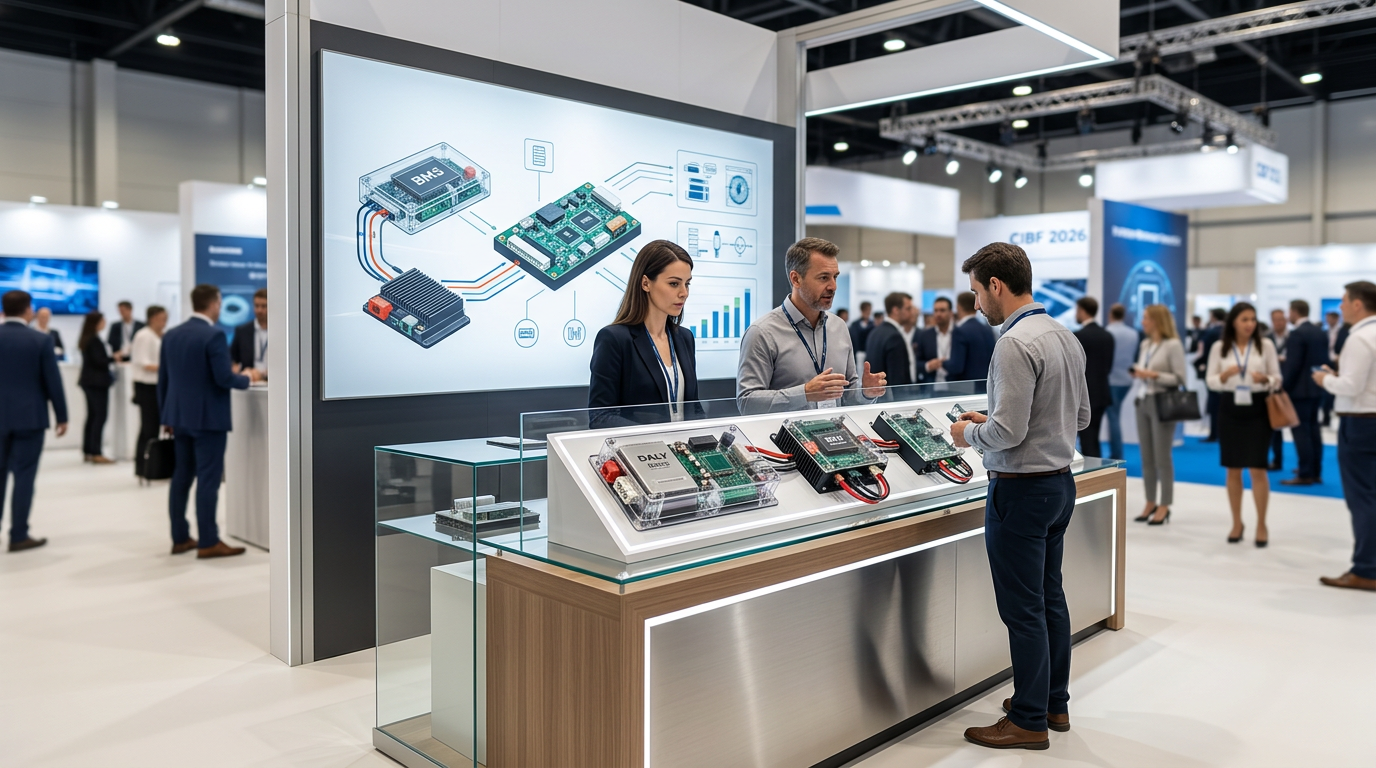
DALY BMS, a supplier of battery management systems, has detailed key specifications to consider when selecting a BMS for electric forklifts. The company's guidance focuses on how specific operational demands such as regenerative braking, rapid charging, and multi-shift usage impact BMS performance and longevity.
Regenerative braking, a common feature in modern forklifts, generates significant current pulses as the vehicle decelerates or lowers loads. These pulses can momentarily exceed a BMS's continuous current rating. DALY BMS advises that specifications should address the BMS's ability to differentiate between these brief regenerative pulses and sustained over-current events. Furthermore, the system needs to communicate available charge current to the motor controller to manage regenerative flow when the battery is nearing full capacity.
Fast charging presents another challenge by concentrating thermal loads into shorter time windows. Instead of relying on nominal continuous current ratings, DALY BMS recommends specifying the BMS's continuous current capacity under expected operating temperatures and fast-charging profiles. This accounts for the heat accumulation that can occur during frequent, rapid charging cycles, typical in busy warehouse environments.
The intensity of forklift operations, whether single, double, or triple shift, also dictates BMS requirements. Increased cycling frequency in multi-shift operations can accelerate cell imbalance, potentially necessitating active balancing systems over passive ones. Moreover, the reduced thermal recovery time between charges in three-shift scenarios requires careful consideration of the BMS's continuous current rating based on actual rest periods, not just laboratory test conditions.
Finally, DALY BMS noted the importance of communication interfaces, primarily CAN for vehicle integration and RS485 for fleet management. It stressed that a BMS must support the specific protocols expected by the forklift's motor controller and fleet management systems, rather than simply offering a port.