Dangbei Compares LED, Laser, and Lamp Projector Technologies
Dangbei has released a comparison of LED, laser, and traditional lamp projectors. The analysis covers the features, performance, and costs associated with each technology.
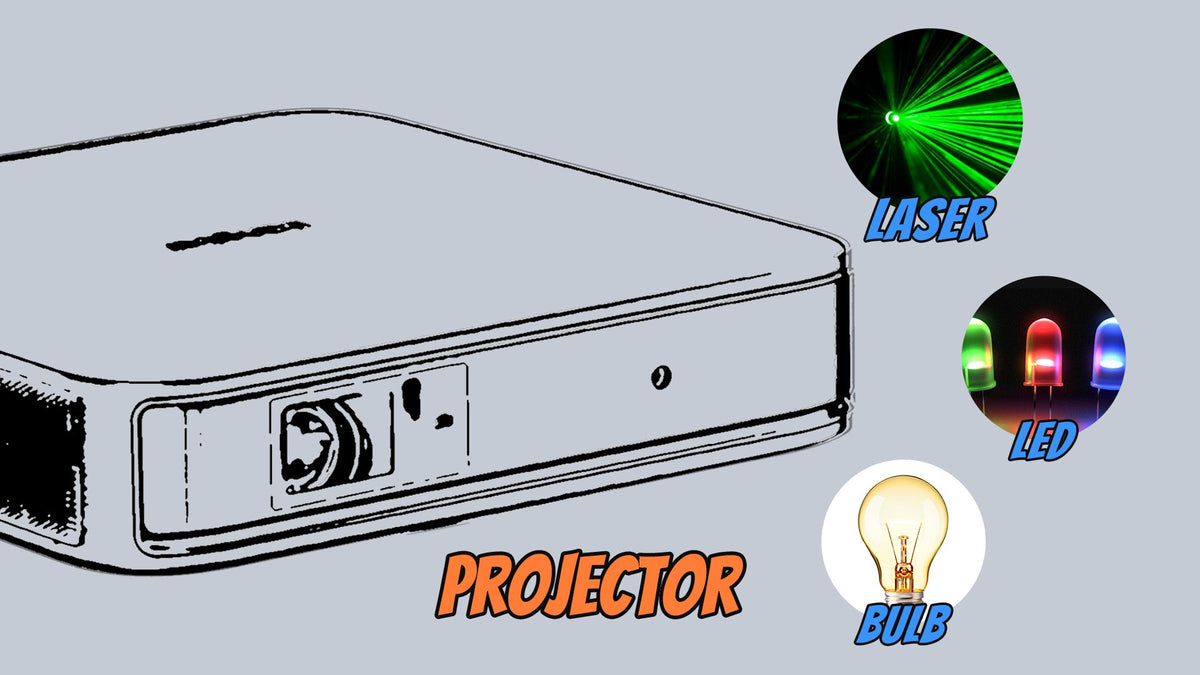
Dangbei, a provider of home projectors and presentation devices, has published an in-depth comparison of the three primary light source technologies used in projectors: LED, laser, and traditional lamps. The analysis aims to educate consumers on the distinct characteristics, performance metrics, and cost implications of each type.
LED projectors utilize light-emitting diodes (LEDs) to produce red, green, and blue light, which combine to create images. Key advantages highlighted include significant energy efficiency, an extended lifespan of approximately 30,000 hours, and accurate color reproduction. These projectors are often more compact and durable than their lamp-based counterparts.
Laser projectors employ lasers as their light source, enabling exceptionally high brightness and clarity. They are particularly suited for large venues and environments with ambient light. Laser projectors can also exceed 30,000 hours of use with minimal maintenance, offering superior contrast ratios.
Traditional lamp-based projectors, a long-standing technology, use high-intensity arcs within sealed lamps to generate light. They offer flexible brightness levels and are available across a wide range of price points. However, lamp lifespans are considerably shorter, typically ranging from 2,000 to 5,000 hours, necessitating periodic replacements.
The comparison indicates that laser projectors generally offer the highest brightness, making them ideal for large screens or well-lit spaces. LED projectors can perform adequately in moderately lit rooms but are best suited for darker environments. Lamp projectors offer a broad spectrum of brightness options. Due to their longevity and reduced maintenance requirements, LED and laser projectors are presented as more cost-effective long-term solutions, despite potentially higher initial purchase prices.