Data center boom's climate blind spot
As data center construction accelerates and AI drives demand, the industry faces economic risks from climate and resource constraints.
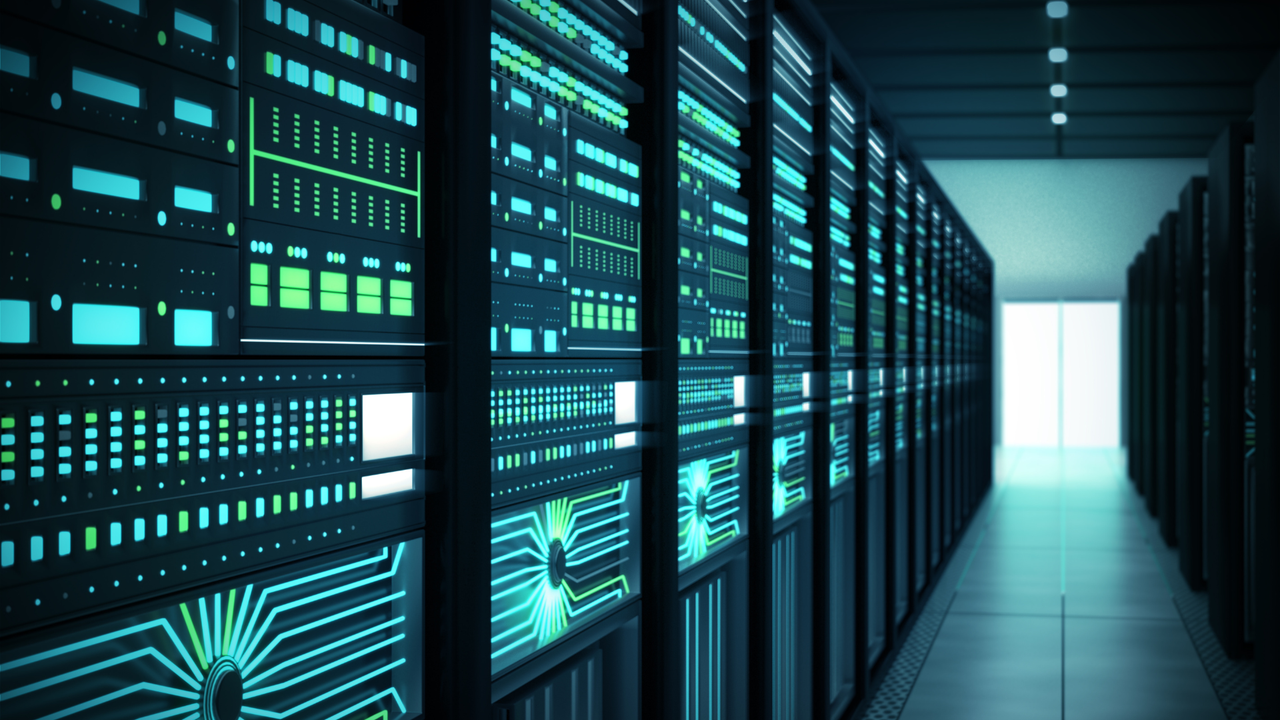
The global race to build data centers is accelerating, fueled by artificial intelligence, cloud computing, and the relentless growth of digital services. However, the industry must confront the economic risks associated with climate change and resource limitations to avoid higher costs and reputational damage.
Most data centers are designed for 20-to-30-year lifespans, and decisions made today regarding materials, energy systems, and cooling technologies will impact their long-term performance. The current expansion prioritizes speed and capacity, often overlooking carbon-intensive materials, strained power grids, and regions facing water stress. This can lead to infrastructure lock-in, embedding emissions and water risks from the outset.
Risks include increased energy costs and capacity constraints, particularly as AI workloads drive demand. Water scarcity in certain regions can trigger local resistance and permitting delays. Regulators and the public are increasingly scrutinizing industrial energy and water use, potentially leading to accusations of greenwashing and difficulties meeting future disclosure standards.
With growing environmental expectations from customers and investors, data centers must meet evolving requirements. Facilities that fail to reduce their resource intensity risk losing competitive advantage. Reframing sustainability concepts into terms like resilience, efficiency, and competitive edge can help integrate climate considerations into business strategy.
There remains an opportunity for the data center industry to grow more intelligently. Centers designed with sustainability and resilience in mind are better positioned to navigate market volatility, water scarcity, and regulatory shifts, ensuring long-term asset value.