Data Centers Face Power Constraints as AI Demands Grow
AI workloads are significantly increasing power demands and challenging cooling systems in data centers. HARTING analyzes solutions for scaling in this new era.
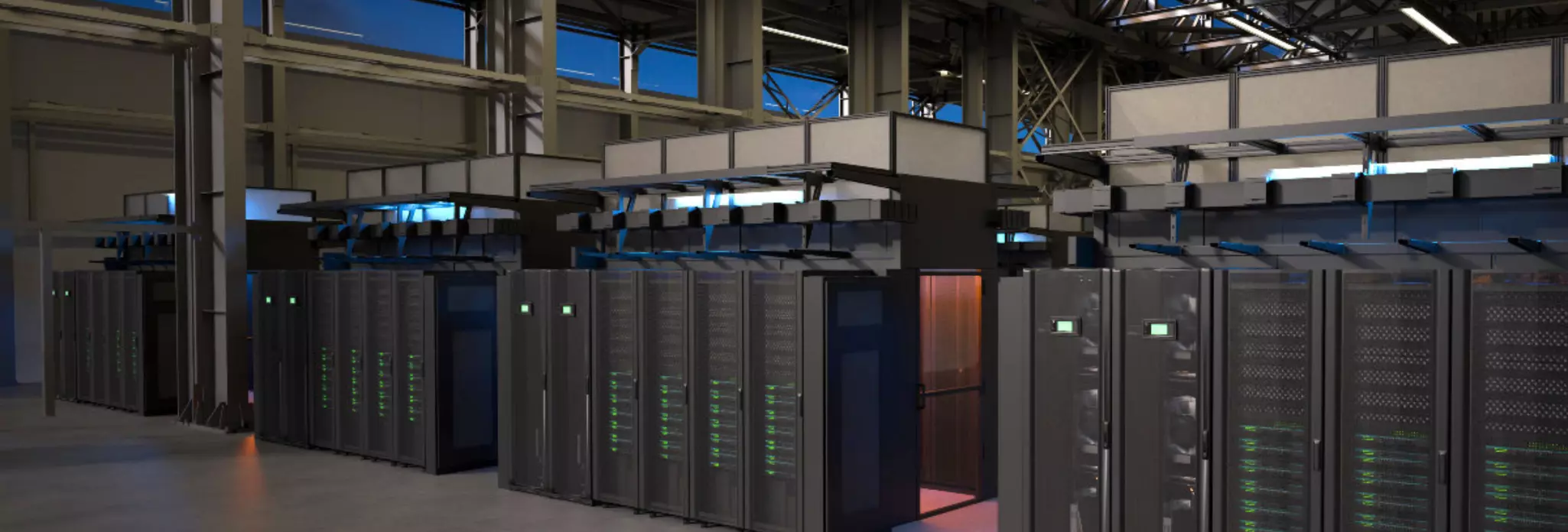
The HARTING Technologiegruppe has published an analysis addressing the escalating power and cooling challenges within data centers driven by the rapid adoption of Artificial Intelligence (AI).
Traditional server power requirements have multiplied, with racks drawing 7-10 kW now needing up to 1 MW to support AI computations. This escalating demand strains electrical infrastructure, cooling systems, and on-site teams already facing labor shortages and tight deployment timelines.
The analysis highlights that global AI data center power consumption is projected to increase tenfold by 2026. Average rack power densities are expected to rise from 36 kW in 2023 to 50 kW by 2027. Potential solutions include advanced cooling techniques, relocating power equipment outside of IT racks, and implementing modular infrastructure.
Due to the high power draw and fluctuating thermal profiles of AI accelerators, conventional air cooling systems are proving insufficient. Liquid cooling, such as direct-to-chip or immersion cooling, is emerging as a more effective solution. Furthermore, externalizing power distribution, conversion, and protection components from within IT racks can free up valuable space and enhance serviceability.
HARTING emphasizes the critical need for data centers to adapt to these evolving demands to ensure scalability and reliability in the AI era. Emerging solutions, like higher-voltage DC architectures, offer potential for reduced energy losses and improved efficiency.