Data Shortage Hinders Battery Reuse; AI Could Unlock Climate Benefits
Limited and fragmented data hinders efficient battery reuse and recycling decisions, despite AI's potential. Structural issues in data collection and standardization are identified as key barriers.
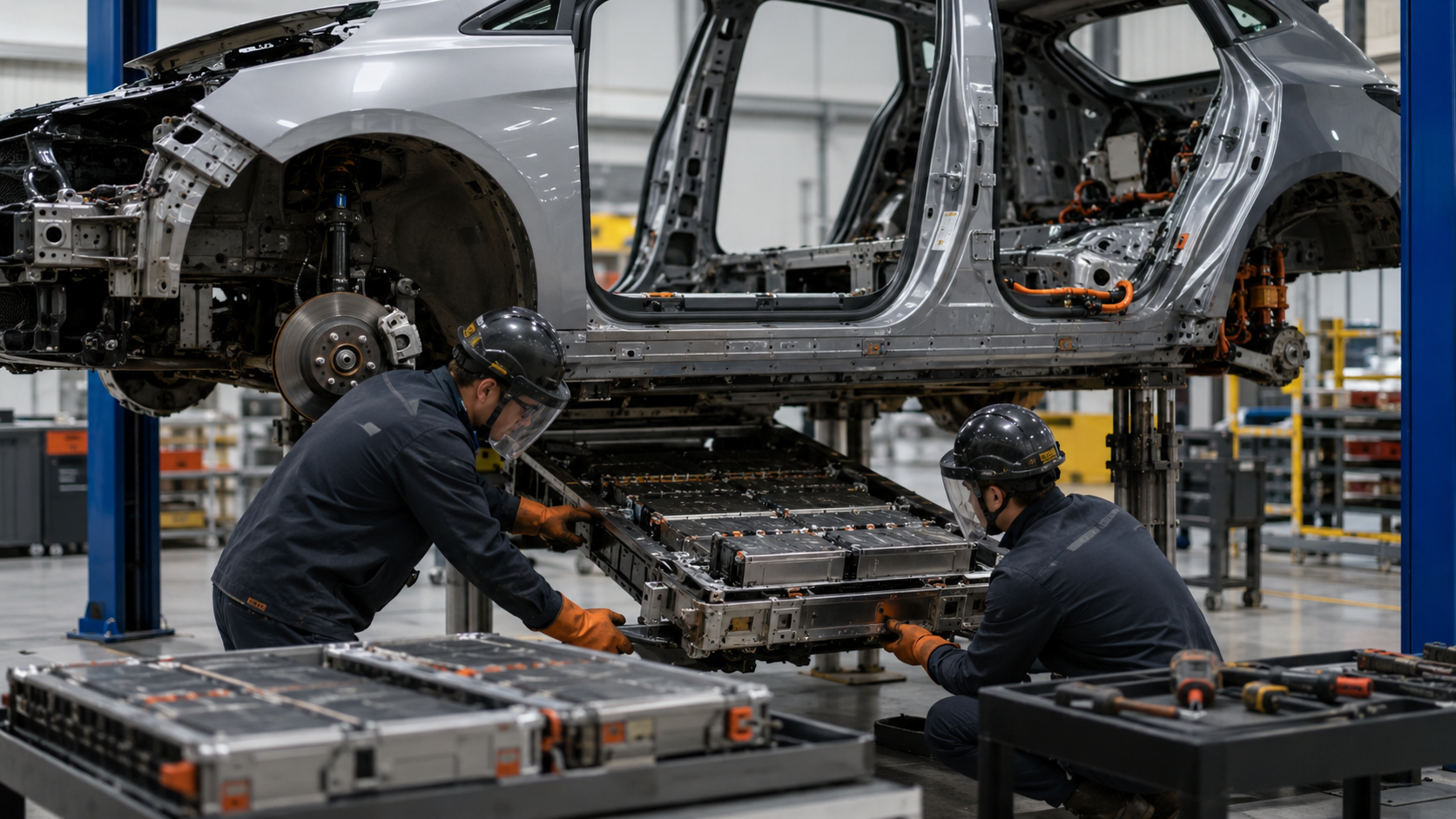
Artificial intelligence (AI) could significantly improve decisions about whether batteries should be reused, refurbished, or recycled, even when faced with limited and fragmented data, according to researchers at Chalmers University of Technology. However, they emphasize that the primary obstacles are structural rather than technical.
The study highlights that battery data is often insufficient, difficult to access, and lacks standardization. This fragmentation limits the effectiveness of current AI applications in battery management systems. The researchers' findings suggest that AI-based methods have the potential to make advanced battery recycling more than twice as profitable compared to traditional methods.
Furthermore, adopting these AI approaches could lead to substantial environmental benefits, including an energy consumption reduction of over 50 percent and an approximately 18 percent decrease in carbon dioxide emissions. The study also points to the significant potential of "second-life" applications, where used EV batteries can be repurposed for energy storage systems, potentially increasing profitability by up to 58 percent while reducing environmental impact.
Achieving these benefits requires new solutions for data collection, sharing, and usage. The researchers call for standardization, improved data infrastructure, and initiatives like battery passports, which are digital records tracking batteries throughout their lifecycle. Integrating AI across the entire battery life cycle, from manufacturing to recycling, is presented as crucial for a more circular and sustainable battery economy.