DBU Nature Heritage Sites Show Significant Plant Diversity
A study on German Federal Environmental Foundation (DBU) Nature Heritage sites reveals over half of Germany's vascular plant species. The areas exhibit higher species richness and more red-listed species than comparable surroundings.
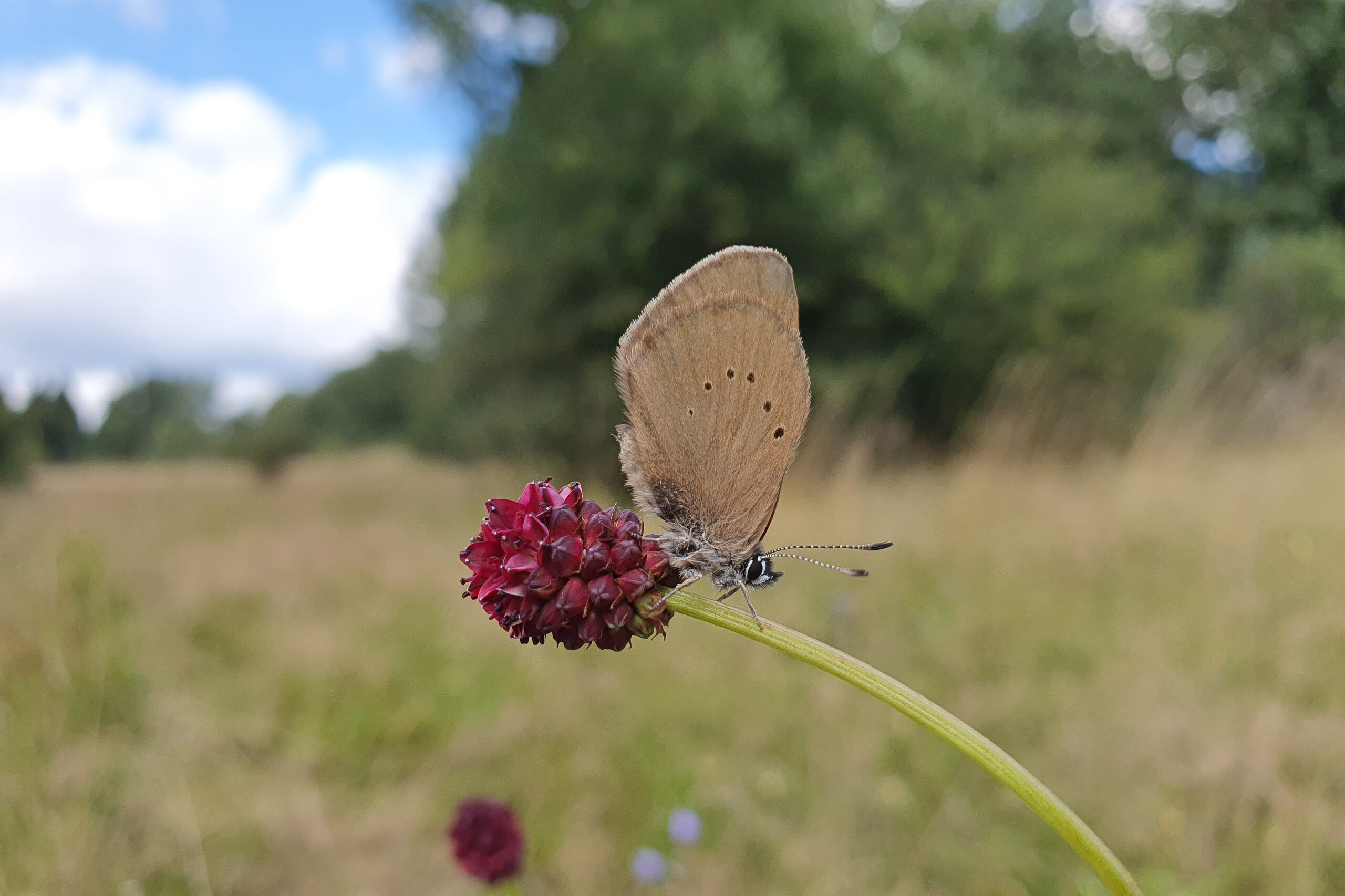
German Federal Environmental Foundation (DBU) Nature Heritage sites host a remarkable diversity of plant species, according to a new study. The areas, totaling 63,058 hectares, were found to contain more than half of all vascular plant species occurring in Germany. This marks the first comprehensive survey of its kind conducted across the DBU's nature heritage lands.
The study examined 64 DBU Nature Heritage sites and found a 22 percent increase in the number of plant species and a 32 percent increase in red-listed species compared to similar surrounding areas. In total, approximately 1,500 plant species were identified, with 266 classified as endangered on Germany's red list. The findings are detailed in the DBU's digital Nature Heritage Annual Report 2025.
The research highlights the effectiveness of the foundation's conservation measures. These areas prohibit the use of artificial fertilizers and pesticides, which benefits plant species that thrive in nutrient-poor or wet environments. The highest levels of biodiversity and red-listed species were observed in open landscape biotopes, such as heaths and meadows, rather than in forests.
Management practices on DBU's Nature Heritage sites include grazing by horses, cattle, goats, and sheep, as well as regular mowing and shrub removal. These efforts help preserve and develop rare habitats like dwarf shrub heaths, species-rich grasslands, and fens. The annual report also provides further information on DBU's broader conservation work and planning strategies.