Deutsche Telekom Builds 5G Campus Network for PCK Raffinerie
Deutsche Telekom is constructing a 5G campus network for PCK Raffinerie Schwedt, covering a 13-square-kilometer site. The project will enhance mobile communications for over 3,000 employees and ensure reliable operation of critical infrastructure.
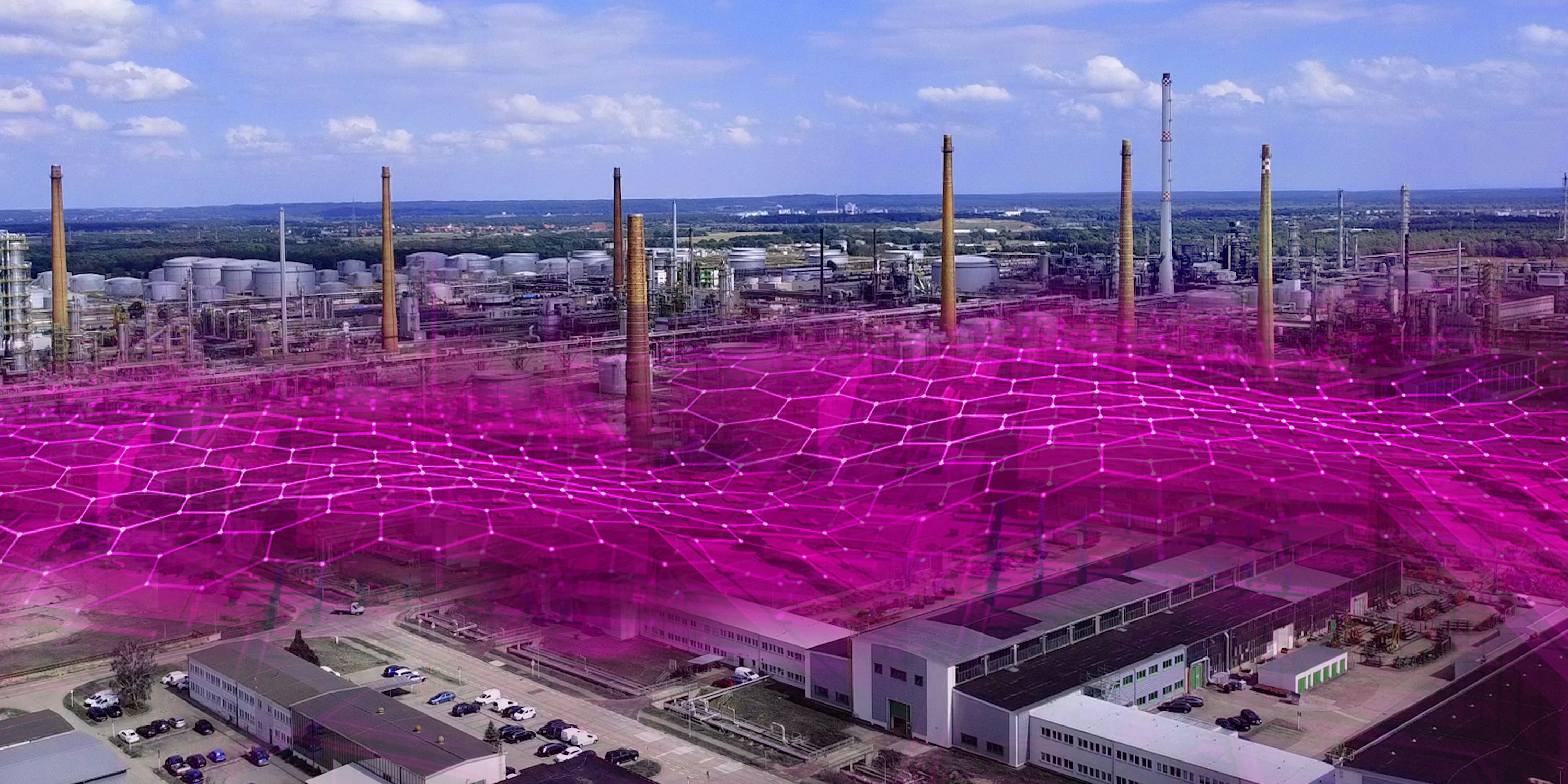
Deutsche Telekom is building a new 5G campus network for the PCK Raffinerie Schwedt site as part of the refinery's digitalization efforts.
The network will span approximately 13 square kilometers, an area equivalent to over 1,800 football fields. This infrastructure upgrade aims to significantly improve mobile connectivity for the more than 3,000 individuals working on-site, including PCK's 1,200 employees and approximately 2,000 employees from 80 other companies operating at the location.
The network will operate on the 2.1 GHz frequency, supported by the integration of five nearby cell sites. The central control room, subject to stringent security requirements due to its function in a refinery, will be equipped with specialized, explosion-proof internal antennas. Components of the network are configured for high reliability through a redundant, crisis-proof two-way system, guaranteeing near-complete availability.
The project is scheduled for completion by October 2022. PCK Raffinerie intends to leverage the campus network for more efficient monitoring and management of technological and maintenance processes, with plans for implementing IoT solutions utilizing the 5G infrastructure. Deutsche Telekom stated this is currently the largest campus network in Germany, suitable for critical infrastructure applications.
This deployment underscores the growing trend of implementing private 5G networks in industrial settings to enhance operational efficiency and data security. The refinery's investment in this technology signals a move towards greater automation and real-time data processing.