Deutsche Umwelthilfe: One Quarter of German Districts Face High Flood Risk
Nearly a quarter of all districts in Germany face a high risk of severe damage from a "100-year flood," according to Deutsche Umwelthilfe's (DUH) Hochwasser-Check 2026 report. Ortenaukreis in Baden-Württemberg was identified as the most affected.
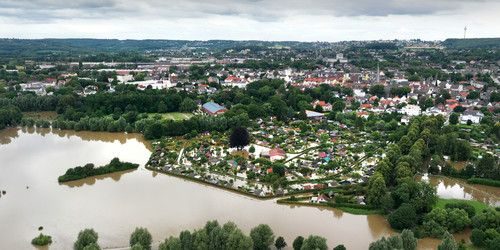
Approximately one-quarter of all districts in Germany face a high risk of severe damage from a "100-year flood," according to the "Hochwasser-Check 2026" (Flood Check 2026) released by the environmental organization Deutsche Umwelthilfe (DUH) on Monday. The study found that 98 out of 400 districts are at high risk, with an additional 184 districts classified as having a moderate risk.
The risk level is determined by the potential area affected and the number of addresses at risk during such an extreme event. The Ortenaukreis district in Baden-Württemberg recorded the highest flood risk rating nationwide, according to the report.
DUH's Federal Managing Director, Sascha Müller-Kraenner, stated that the findings underscore the escalating consequences of the climate crisis and the urgent need for comprehensive flood protection. He emphasized the importance of strengthening nature-based solutions and implementing the EU's Nature Restoration Law to better equip landscapes against climate change impacts.
The analysis also highlights that areas historically built within river floodplains are particularly vulnerable if technical protection systems fail. The highest risks are concentrated along major, densely populated rivers such as the Rhine, Danube, and Elbe. DUH advocates for a strict prohibition on new construction in floodplains and the prioritization of natural flood protection measures.