Dialogue Held Between Chinese and Uzbek Cultural Heritage Sites
The Archaeological Ruins of Liangzhu City in China and the historic city of Samarkand in Uzbekistan participated in a dialogue on July 6. The meeting aimed to promote mutual learning and exchanges between civilizations.
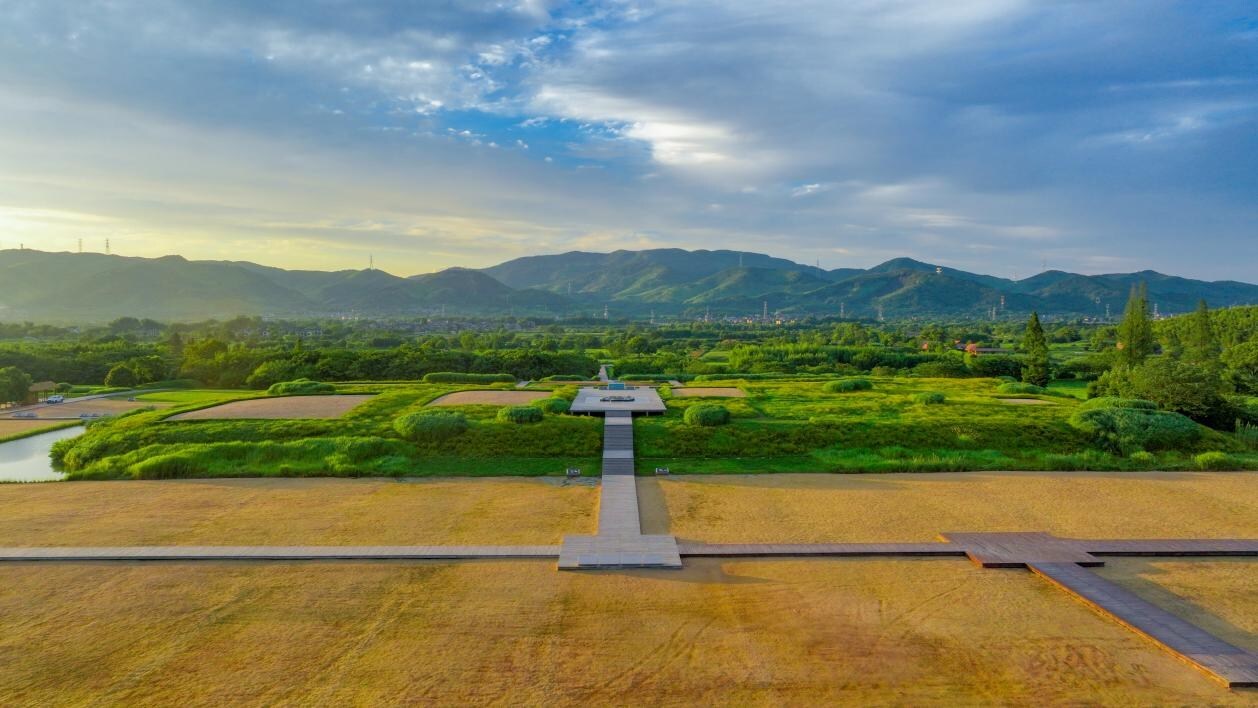
A dialogue event between the Archaeological Ruins of Liangzhu City in Hangzhou, China, and the historic city of Samarkand in Uzbekistan was held on July 6, 2026. The meeting aimed to promote mutual learning and exchanges among civilizations.
The event gathered over 100 participants from China and Uzbekistan to discuss topics including heritage values, conservation and management, and strategies for revitalizing cultural heritage. The dialogue, part of the "Liangzhu and the World" program, also marked the first time the initiative partnered with an Asian world heritage site.
Liangzhu City's ruins, first discovered in 1936 and inscribed as a UNESCO World Heritage Site in 2019, and Samarkand, a historic crossroad along the Silk Road inscribed in 2001, provided a platform for high-level exchanges. Discussions also covered archaeological research, conservation of earthen sites, digital technologies, and the integration of culture and tourism.
Prior to the dialogue, the Uzbek delegation visited the Archaeological Ruins of Liangzhu City and a world heritage monitoring center. They explored Liangzhu's integrated approach to heritage conservation and public engagement through digital technologies, including AI-powered smart glasses. Farhod Nishonov, deputy mayor of Samarkand, praised Liangzhu's systematic conservation model and expressed a desire to leverage its practices to promote joint exhibitions and youth exchange programs, supported by the sister-city relationship with Hangzhou.
Yang Xiaoping, deputy director of the Management Committee of the Archaeological Ruins of Liangzhu City, emphasized the aim to learn from Central Asian cities in operational and management aspects of heritage, with the goal of bringing people from both countries closer through these two civilizational landmarks.