Dick's Sporting Goods Closes 110 Foot Locker Stores Amid Financial Challenges
Dick's Sporting Goods announced the closure of 110 Foot Locker stores in 2026 as part of a strategic review of underperforming assets. The move follows a disappointing second-quarter earnings report and ongoing struggles with the Foot Locker acquisition.
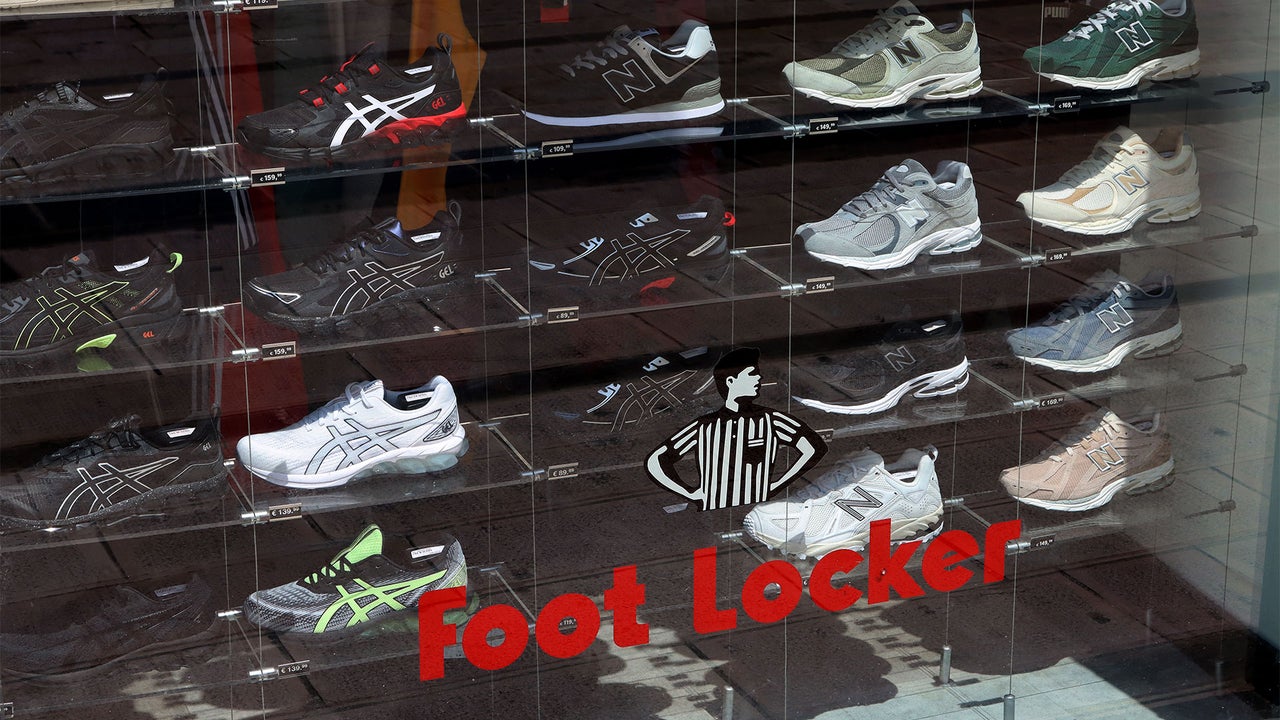
Dick's Sporting Goods is undertaking a significant store reduction, closing 110 Foot Locker-branded locations in 2026. The decision comes as the company conducts a review of its less productive assets in an effort to streamline operations.
The retail giant reported a second-quarter earnings per share of $3.50, falling short of analyst expectations and marking a decrease from $4.71 in the prior year. While consolidated net sales saw a 53% increase, profitability was impacted by challenges, notably the integration and performance of the recently acquired Foot Locker.
Dick's acquired footwear chain Foot Locker in September 2025 for $2.4 billion, aiming to expand its presence in the athletic footwear market. However, the company has faced difficulties in revitalizing Foot Locker's business, which experienced a 3.6% decline in comparable sales for the quarter due to a competitive market and shifts in consumer demand.
The closures span various Foot Locker sub-brands, including 20 Foot Locker North America stores, 8 Champs Sports locations, 12 Kids Foot Locker outlets, and 44 WSS (Warehouse Shoe Store) locations. Additionally, 16 Foot Locker Europe stores and 2 Foot Locker Asia Pacific stores will be shuttered. Company executives described the current footwear market as facing a "hangover" due to slower product innovation and overall market deceleration.
Dick's Sporting Goods has also revised its full-year sales outlook downwards. Despite these short-term challenges, the company maintains its long-term confidence in the Foot Locker brand but is prioritizing efficiency and the divestment of underperforming operations. The company's stock has experienced a significant decline over the past year.