Dismantling Roadless Rule Threatens US Wildlife and Water
The US administration's plan to roll back the 2001 Roadless Rule threatens to significantly disrupt the country's remaining roadless areas and their ecosystems.
The US administration's plan to dismantle the 2001 Roadless Rule threatens to significantly disrupt the country's remaining roadless areas and their ecosystems. Approximately 95 percent of the lower 48 states' public lands are already webbed with roads, and rolling back the rule would open the remaining areas to development.
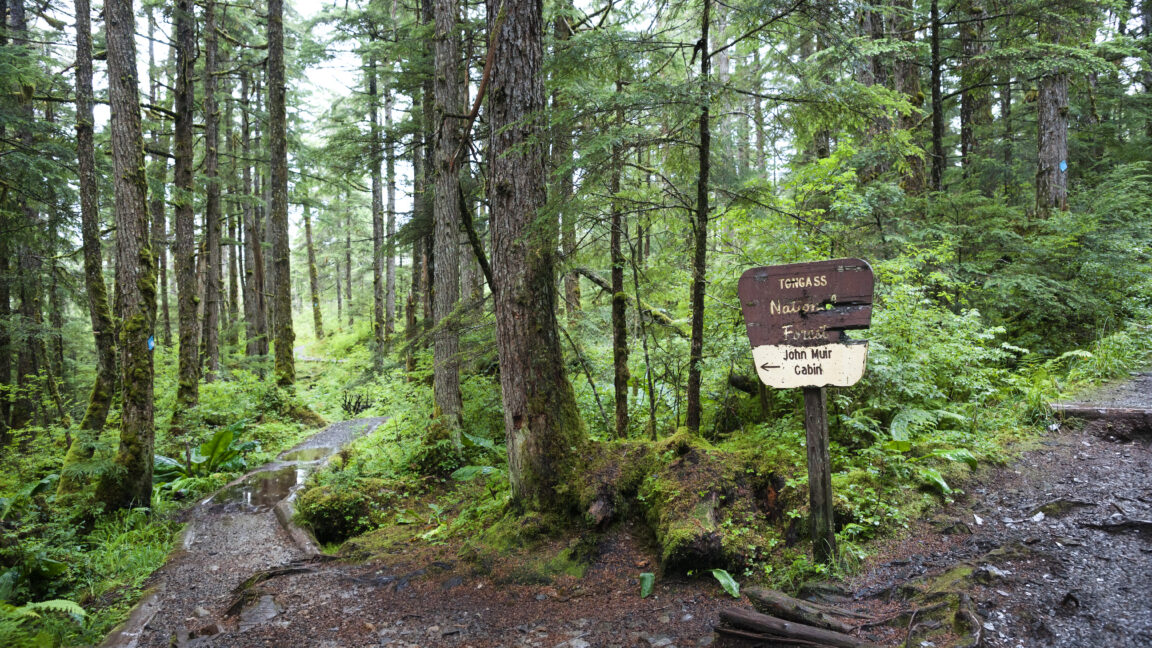
For instance, southeast Alaska's Tongass National Forest, one of the nation's largest remaining old-growth temperate rainforests, faces threat. The area is home to numerous species, including eagles, bears, and salmon, which depend on the forest's undisturbed state. A rollback could lead to logging and infrastructure development, destroying these species' habitats.
The Roadless Rule was initially established to protect valuable natural areas from road construction and other development. Its proposed rollback has raised concerns among environmental groups and the scientific community, who warn of widespread harm to biodiversity and water quality.
Researchers and conservationists emphasize that preserving these last remaining wild areas is crucial for ecosystem health and long-term sustainability. The implications of dismantling the Roadless Rule are under review, with the decision potentially having far-reaching consequences for US conservation policy.