Dr. Green Services: North Texas Lawns Entering Natural Winter Dormancy
As North Texas temperatures cool, warm-season grasses like Bermuda, St. Augustine, and Zoysia enter natural winter dormancy. Dr. Green Services explains the color change is a normal process.
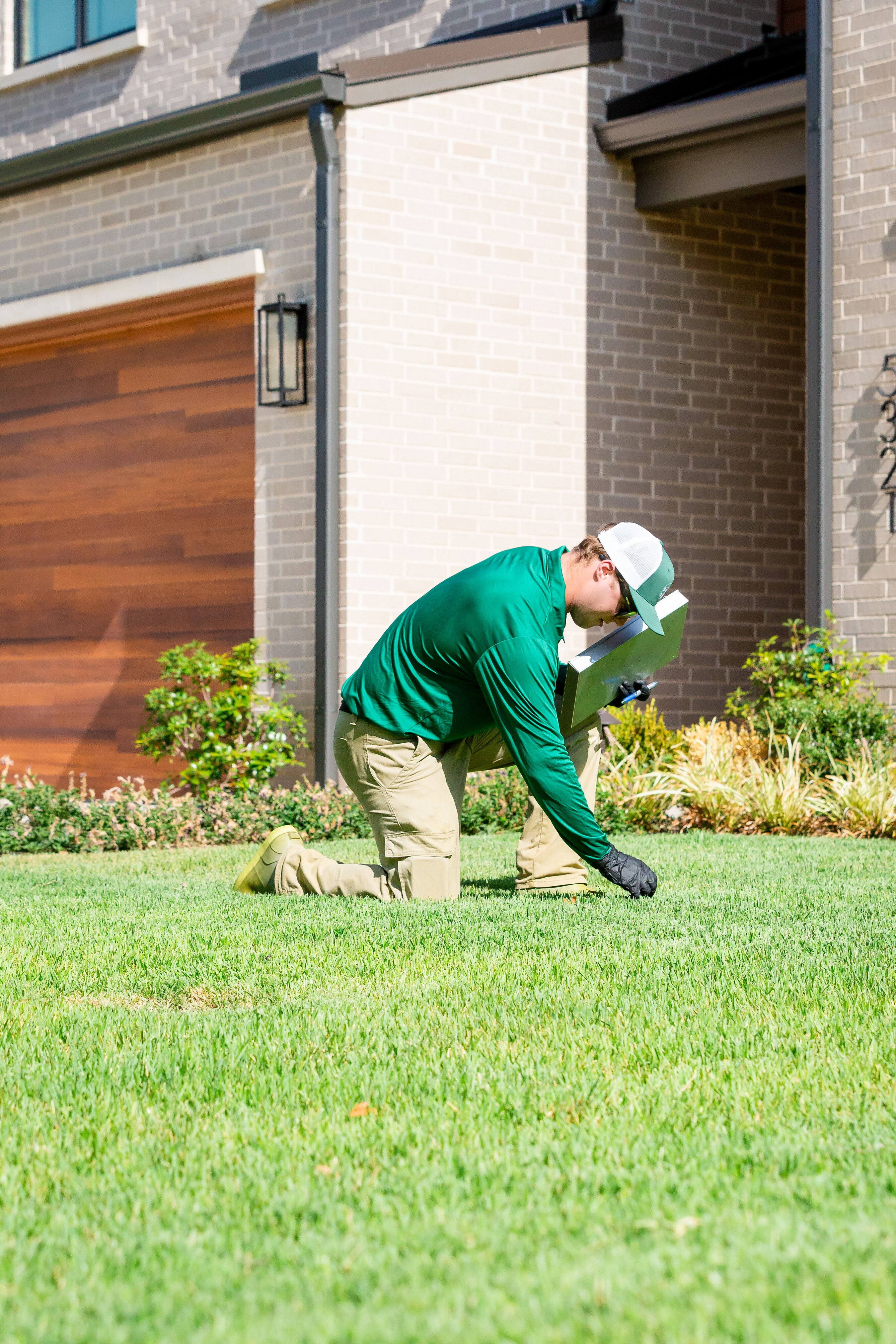
Dallas, TX – October 14, 2026 – As temperatures cool across North Texas, many homeowners will notice their lawns beginning to lose the deep green color seen throughout the growing season. According to Dr. Green Services, this seasonal change is a normal and important part of warm-season turf entering winter dormancy.
Bermuda grass, St. Augustine grass, and Zoysia grass thrive during warmer months. However, as temperatures fall and daylight decreases, growth gradually slows. Eventually, these grasses may become tan or straw-colored as they enter dormancy for the winter.
This color change does not necessarily mean the lawn is dead or unhealthy. "Dormancy is a natural survival response for warm-season grass," said James Tatum, Director of Operations for Dr. Green Services in Texas. "The lawn may lose its green appearance above ground, but the plant can remain alive and protected until warmer growing conditions return."
Texas A&M AgriLife Extension notes that warm-season grasses can turn straw-colored following frost and remain dormant during winter. This seasonal slowdown allows turf to conserve resources when conditions are less favorable for active growth. As lawns approach dormancy, their maintenance needs also change; reduced growth and water use generally mean less irrigation and careful fertilization timing.