Drive-by-Wire Technology Enhances Safety in Mining Operations
Arnold NextG's Drive-by-Wire and Safety-by-Wire® technologies enable autonomous and remote-controlled mining machinery for hazardous environments.
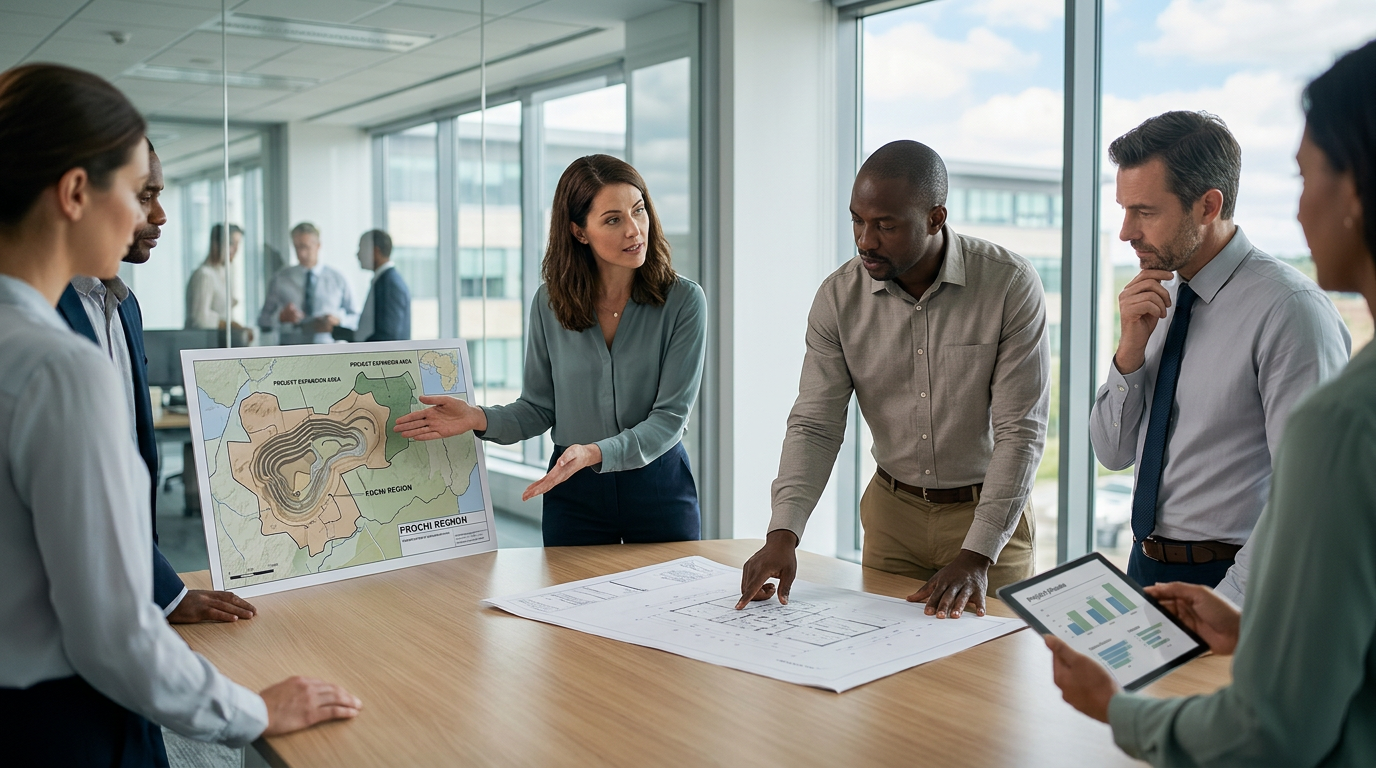
Arnold NextG GmbH has developed Drive-by-Wire and Safety-by-Wire® technologies that facilitate the use of autonomous and remotely operated mining machinery in environments where human labor is too dangerous. The mining industry is notoriously one of the most hazardous and resource-intensive sectors, with many areas presenting toxic gases, unstable ground, or high temperatures making them inaccessible to humans.
Several major mining companies, including US-based Freeport-McMoRan, Peabody Energy, and Newmont, have already implemented autonomous transport systems and remote-controlled drilling units. Internationally, players such as Australia's BHP, UK/Australian Rio Tinto, and Switzerland's Glencore are advancing the adoption of automation within the industry.
These technologies allow large mines to utilize autonomous haul trucks capable of transporting materials 24/7 without a driver. This has proven effective and safety-enhancing, particularly in US coal and gold mines. Furthermore, remote-controlled drilling rigs and loaders enable operation deep underground, where temperatures can exceed 50°C (122°F) and toxic gases prevent human work. Swedish company Epiroc and Finnish company Sandvik are key players in this development.
The application of autonomous solutions extends to the management of material stockpiles and ore processing. Remotely operated bulldozers and wheel loaders can operate on unstable slopes, reducing the risk of landslides and protecting personnel. Japanese companies Komatsu and Hitachi are continually developing machines that can handle materials safely without direct human exposure to hazards.
The Force Feedback feature, integrated into Arnold NextG's NX NextMotion technology, provides operators with enhanced feel and control over remote machinery. It simulates ground conditions and potential hazards, thereby improving work safety, efficiency, and machine lifespan.