Duke-NUS and Lion TCR license immunosuppression-resistant anti-cancer T-cells
Duke-NUS Medical School and biotech firm Lion TCR have signed a licensing agreement for gene-edited T-cells designed to treat recurring cancers after organ transplantation.
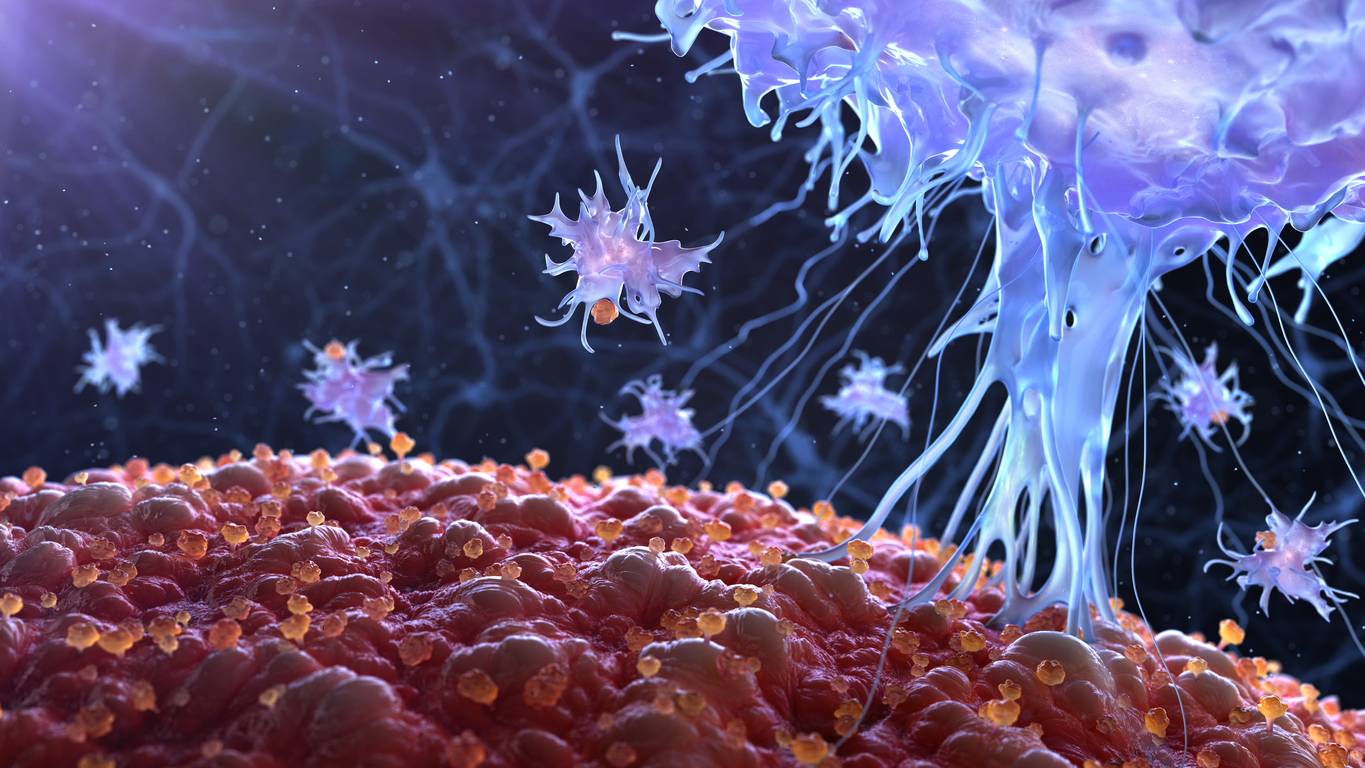
Duke-NUS Medical School in Singapore and the biotechnology company Lion TCR have entered into a worldwide exclusive licensing agreement. The deal covers the use of gene-edited T-cells engineered to treat cancers that recur after organ transplants.
The method, developed by Professor Antonio Bertoletti and his colleagues at Duke-NUS, utilizes T-cells bioengineered to resist immunosuppressive drugs. These drugs are essential for transplant recipients to prevent organ rejection, but they hinder the effectiveness of T-cell therapies. The "armored" T-cells can destroy cancer cells without being impeded.
Lion TCR plans to combine this technology with its proprietary T-cell receptor library to advance T-cell receptor therapy for liver cancer and other diseases. The modified T-cells could also address conditions related to immunosuppressive treatment, such as Epstein-Barr virus or cytomegalovirus reactivation.
The recurrence of hepatocellular carcinoma after liver transplantation presents a significant clinical challenge. The drug-resistant T-cells developed at Duke-NUS have demonstrated efficacy in eliminating cancer cells for up to four days, even in the presence of immunosuppressive agents.
This collaboration aims to make the novel cancer treatment accessible to patients who would otherwise be ineligible due to concurrent immunosuppressive drug regimens. Lion TCR CEO Peng Xiaoming expressed excitement about the technology's potential for expanding the company's product pipeline.