Duke-NUS awarded €2 million EU grant for earlier outbreak detection in Asia via wastewater surveillance
Duke-NUS Medical School has received a €2 million EU grant to enhance Asia's capacity for early detection of disease outbreaks through wastewater surveillance. The project aims to equip regional countries with early warning systems.
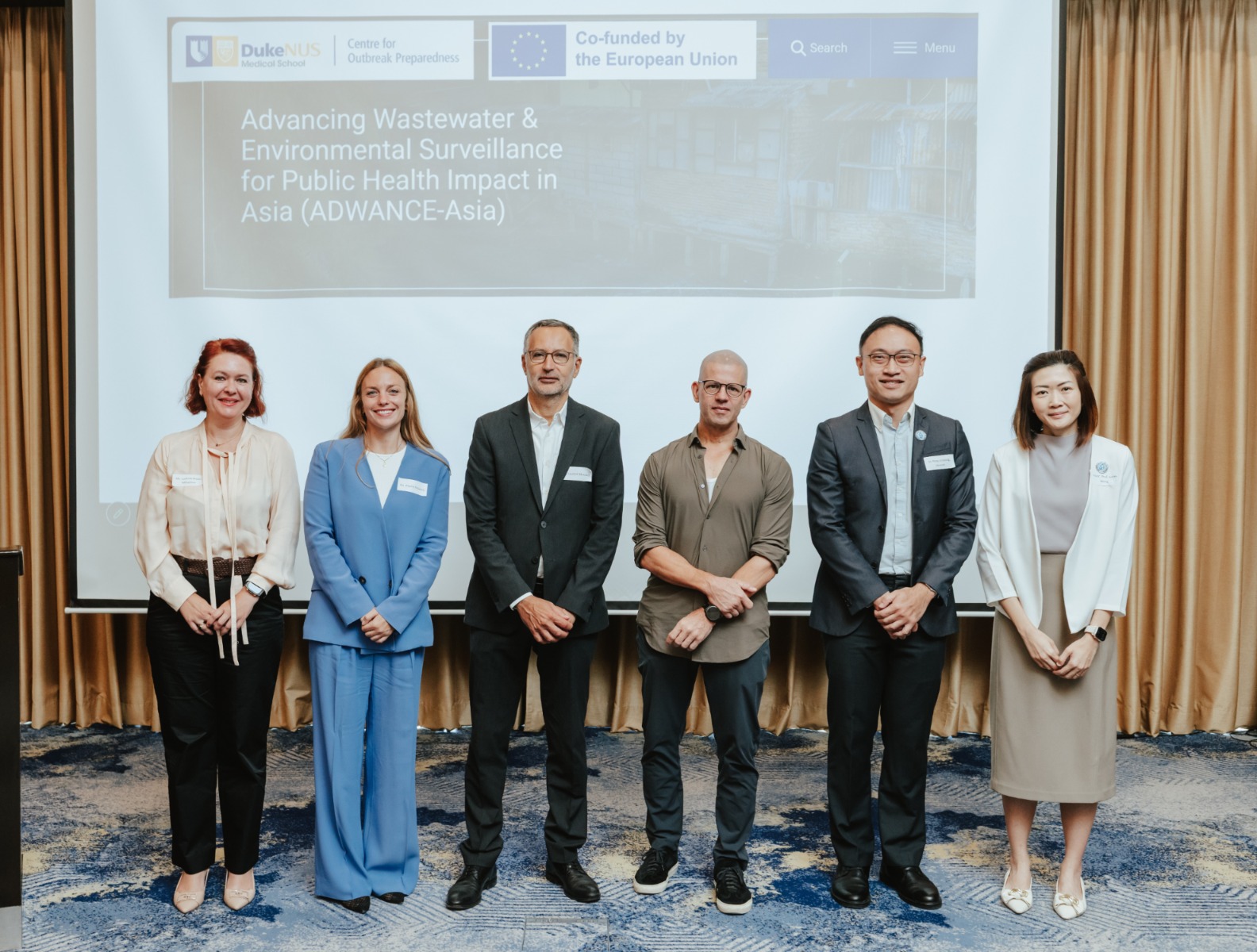
Duke-NUS Medical School has secured a €2 million grant from the European Union to implement the ADWANCE-Asia project. This three-year initiative will focus on strengthening wastewater and environmental surveillance (WES) systems across Asian nations, particularly in low- and middle-income countries. The objective is to establish population-level early warning systems capable of identifying infectious disease threats before widespread transmission and surges in clinical cases occur.
The project is led by Duke-NUS's Centre for Outbreak Preparedness (COP) and funded through the EU's EU4Health program, specifically under the call for 'Asia Pathogen Genomics Initiative (Asia PGI) to support wastewater surveillance for health threats’ early detection'. Wastewater surveillance, combined with advanced multi-pathogen genomic sequencing, offers a cost-effective and rapid method for monitoring circulating threats within communities. This is especially valuable in regions where clinical surveillance is limited due to resource constraints, under-testing, or delayed reporting.
The ADWANCE-Asia kick-off meeting took place in Kuala Lumpur, Malaysia, on June 8-9, 2026. The event brought together representatives from the European Commission, project coordinators, and regional partners to align on operational approaches and plan project implementation. The project will concentrate on four key areas: strengthening network collaboration in Asia, building capacity through training, developing and scaling up genomic-based surveillance programs, and generating strategic evidence and integration of surveillance systems to inform decision-making.
Associate Professor Vincent Pang Junxiong from Duke-NUS, project lead for ADWANCE-Asia, emphasized the method's ability to help authorities stay ahead of emerging threats. He noted that multiple pathogens can be detected from a single wastewater sample, providing an earlier signal of potential community circulation. Laurent Muschel, representing the European Commission, affirmed the EU's commitment to enhancing early warning systems and highlighted the significance of projects like ADWANCE-Asia in improving global pandemic preparedness.
The project aims to improve early disease detection and enable faster response across the Asian region, contributing to global pandemic preparedness efforts. The EU has supported wastewater-based epidemiological surveillance on multiple continents as part of a worldwide endeavor to establish effective early warning systems.