Duke-NUS: Environmental sampling more effective for poultry virus detection than bird testing
Scientists at Duke-NUS Medical School have found that poultry viruses can be detected more effectively by sampling the environment of live poultry markets than by testing individual birds.
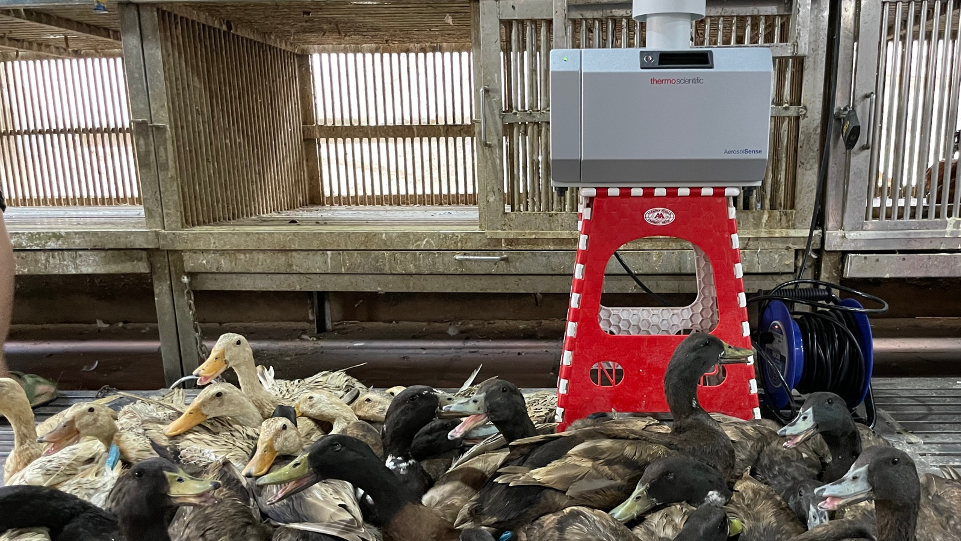
Thursday, March 5, 2026 – Researchers at Duke-NUS Medical School in Singapore have identified a more effective method for detecting poultry viruses in live animal markets. Their study, published in Nature Communications, demonstrates that environmental sampling, including air and surfaces, reveals a broader range of viruses, including dangerous strains of avian influenza, more comprehensively than traditional bird testing.
Conventional surveillance methods involve testing individual birds, a process that is labor-intensive and may fail to detect viruses if the sampled birds are not infected at the time. The study instead analyzed the market environment between January 2022 and April 2023 in Cambodia. Air, cage, and water samples were collected and analyzed using metagenomic sequencing, which identifies all present genetic material.
The results showed that environmental samples tracked 40 different poultry viruses, including influenza and coronaviruses. Notably, highly pathogenic avian influenza H5N1 was identified in environmental samples even when it was not detected in birds tested concurrently. This suggests that surveillance based solely on bird testing may underestimate the true extent of virus circulation.
According to the study, environmental sampling, particularly air samples, provides a more comprehensive picture of virus circulation in markets. While researchers emphasize that environmental surveillance should complement, not replace, bird testing, the method offers a safer and more scalable way to improve early detection of virus outbreaks and preparedness. The research team plans to expand the method's application to other high-risk environments.