Duke-NUS identifies first step in allergic reactions
Scientists at Duke-NUS Medical School have identified the mechanism of mast cell granule release, crucial for allergic reactions. This discovery may lead to new preventative treatments.
Scientists at Duke-NUS Medical School have identified a key mechanism that triggers allergic reactions, such as those following exposure to allergens like peanuts or pollen. The research, published in Nature Immunology, could pave the way for new drugs that prevent dangerous allergic responses.
Mast cells, a type of immune cell, release harmful chemicals when encountering allergens. If these cells release a large amount of these substances into the bloodstream, it can lead to life-threatening systemic shock. According to the World Health Organization (WHO), over 10 percent of the global population suffers from food allergies, with the incidence of allergic reactions like anaphylaxis and asthma steadily increasing.
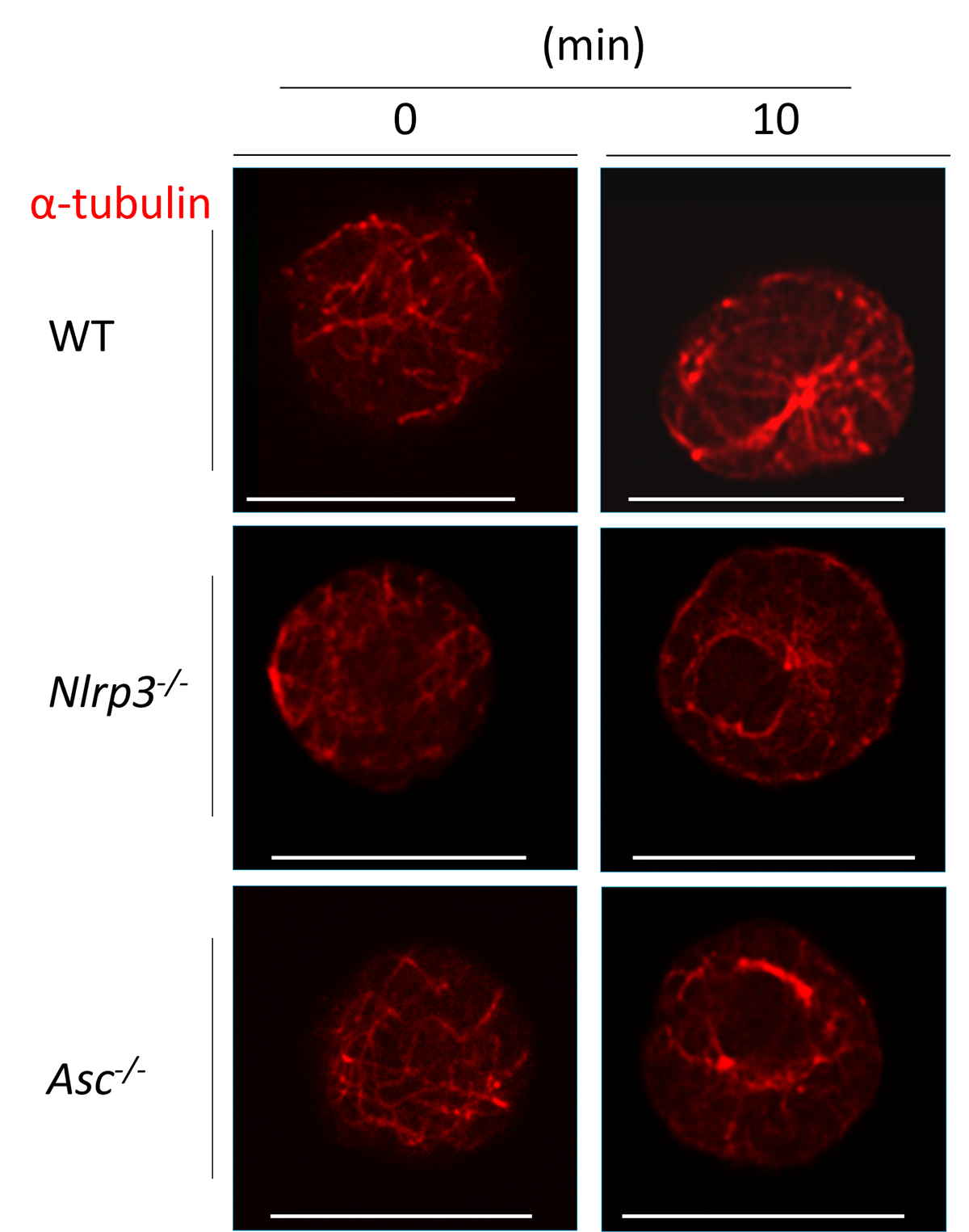
The Duke-NUS research revealed that two proteins within a multiprotein complex called the inflammasome, NLRP3 and ASC, are crucial for the release of mast cell granules. These proteins were not previously known for this role and were thought to be primarily involved in detecting infections and alerting the immune system.
The study, led by Professor Soman Abraham, demonstrated that these proteins direct the transport of granules from the cell's interior to its surface, where they are subsequently released. Researchers observed that mice lacking either the NLRP3 or ASC protein did not experience anaphylactic shock when exposed to allergens. This suggests that blocking the function of these proteins could be an effective way to prevent allergic reactions.
Using a preclinical model, researchers tested an inflammasome-inhibiting drug, CY-09, and successfully prevented anaphylactic shock prior to allergen exposure. The discovery offers a new, targeted approach for the treatment and prevention of allergies.