Electric Car Batteries to Power New North Sea Electric Ferry
A new project will utilize electric car batteries as energy storage for Germany's first fully electric North Sea ferry, aiming to boost renewable energy use and reduce grid load.
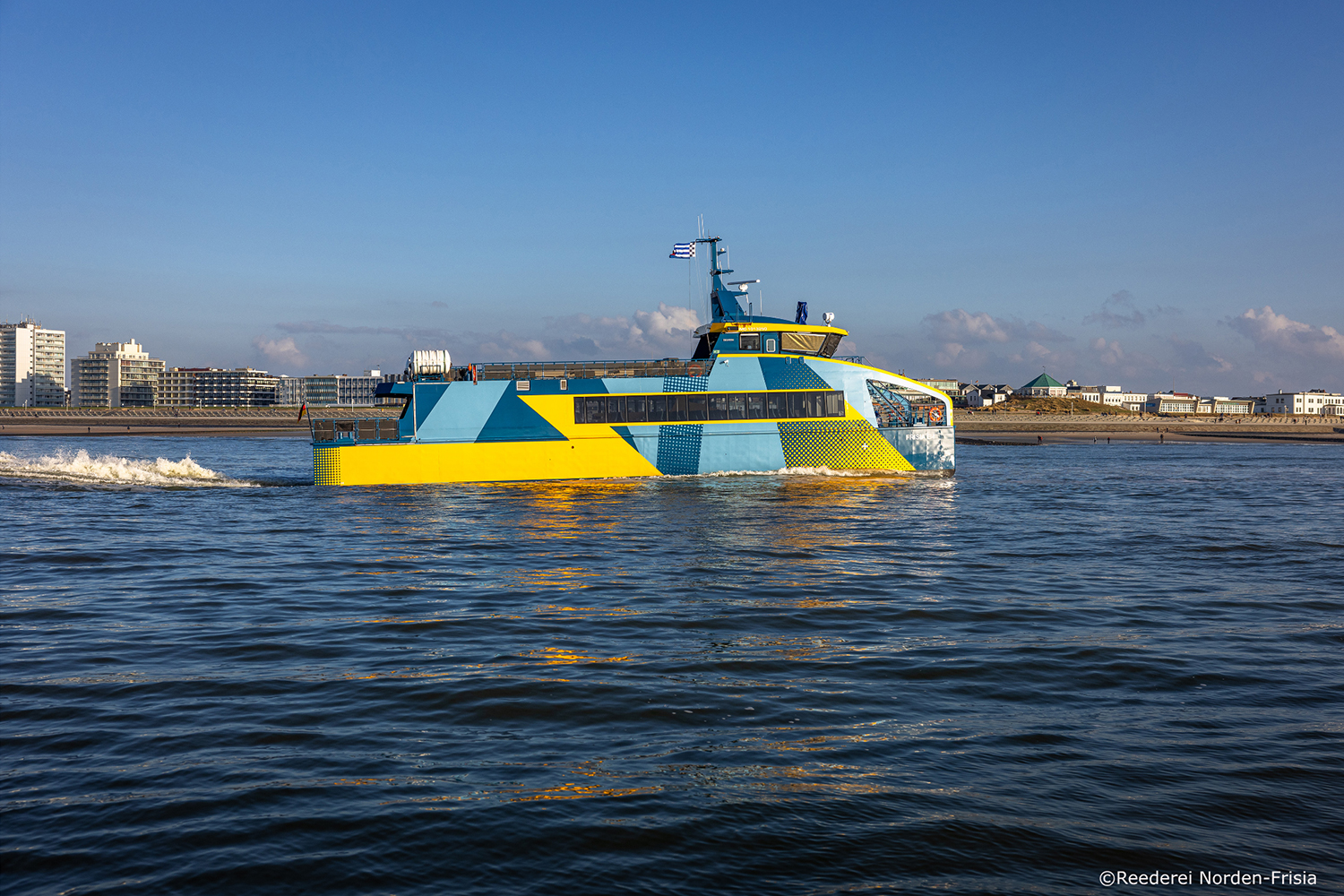
Germany's first fully electric North Sea ferry will utilize electric car batteries as an energy source, supported by the German Federal Environmental Foundation (DBU).
A significant step towards climate-neutral shipping is underway with a new project involving AG Reederei Norden-Frisia, which will operate the first fully electric passenger ferry in the German North Sea starting March 2025. The vessel will serve the Norddeich Mole – Norderney route.
The core of this initiative, named BIDI-EL, is the integration of electric vehicles (EVs) into the ferry's energy supply through a "Vehicle-to-Grid" (V2G) system. EVs parked at the ferry company's lot will be charged via an installed photovoltaic (PV) system. Upon the ferry's return to port, the parked vehicles' batteries, along with the PV system, will feed electricity into the ferry's charging system.
This setup effectively transforms the vehicles into decentralized energy storage units for the ferry operations. Developed in collaboration with Osnabrück University of Applied Sciences, the project aims to substantially increase the share of locally generated renewable energy in the ferry's power supply. The system is also designed to relieve pressure on the public electricity grid and maintain the vehicle batteries in optimal condition.
The project demonstrates a practical application of using EV batteries for energy storage and supporting the integration of renewable energy into transport infrastructure. The ultimate goal is to establish a more sustainable energy solution for ferry services and reduce reliance on fossil fuels in the North Sea region.