Electric Cars More Likely to Fail First Inspection Than ICE Vehicles
An analysis by ADAC and TÜV reveals electric cars fail their first three-year inspection more often than internal combustion engine vehicles, with Tesla Model S performing worst.
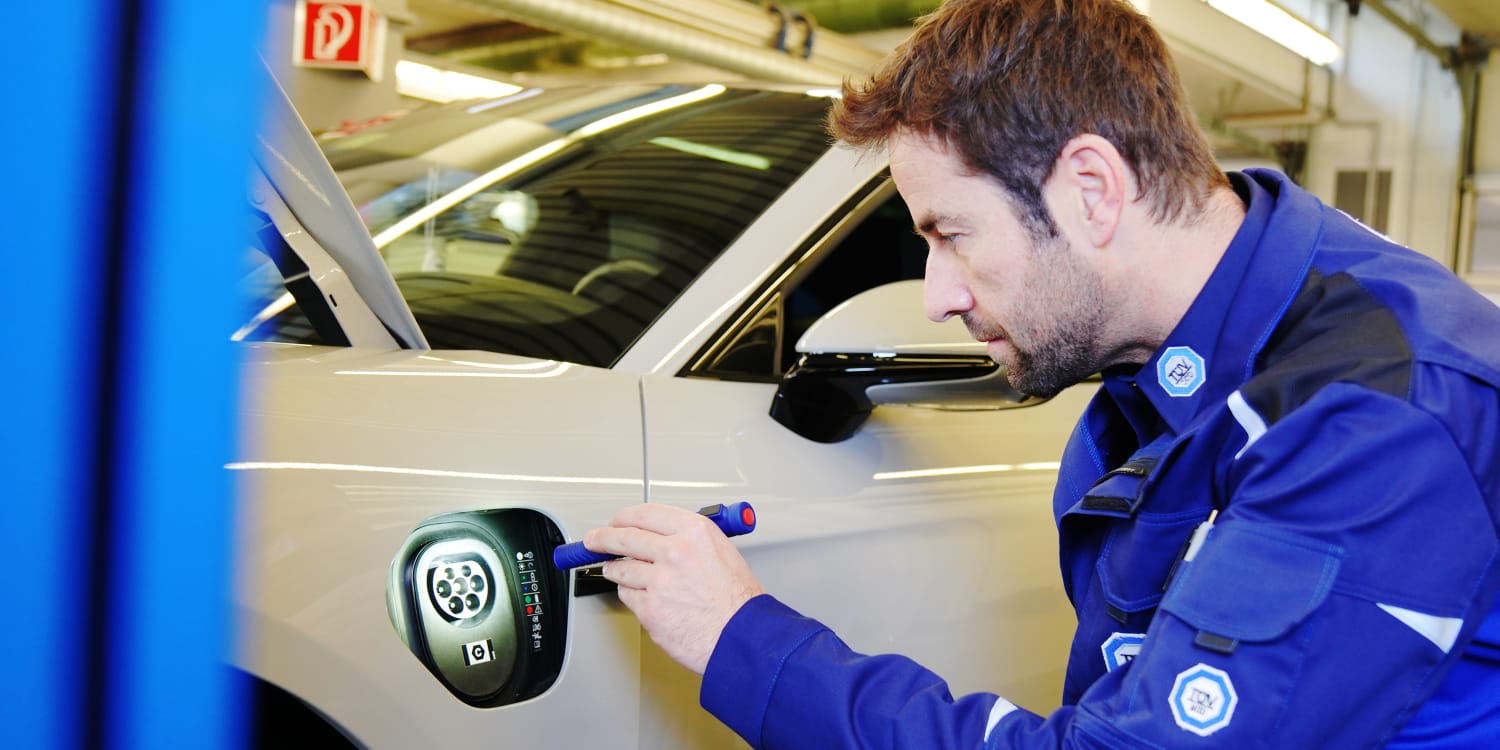
Electric vehicles are showing mixed results in their first three-year mandatory inspection (HU), failing at a higher average rate than internal combustion engine (ICE) cars. This finding comes from a special evaluation by TÜV, analyzing the inspection performance of four popular electric car models. The study compared Tesla, Renault, BMW, and Smart models.
The Tesla Model S had a failure rate of 10.7 percent in its first inspection, meaning approximately one in ten vehicles did not pass. This made it the lowest-performing model among the electric cars examined. For comparison, ICE vehicles aged two to three years have an average failure rate of 4.7 percent for significant defects. Common issues for the Tesla Model S included problems with its control arms and lighting systems.
Other analyzed models performed considerably better. The Smart Fortwo Electric Drive led the group with a failure rate of just 3.5 percent. Following this was the BMW i3 with a 4.7 percent failure rate, often showing issues with brake discs, a common problem for EVs due to less frequent mechanical use and higher incidence of corrosion. The Renault Zoe had a 5.7 percent failure rate, with notable deficiencies in its axle suspensions.
While brake system corrosion in EVs can be attributed to reduced mechanical use from regenerative braking, the TÜV results suggest that the overall structural integrity and component quality of electric vehicles may vary. Compared to the 9.6 million inspections included in the 2022 TÜV Report, electric cars exhibit a higher defect rate during their initial inspection.