Electricity Access in Africa Faces Cost and Effectiveness Challenges
Despite global progress in electrification, Sub-Saharan Africa faces significant hurdles. High connection costs and low consumption strain national utilities, while off-grid solutions show mixed results.
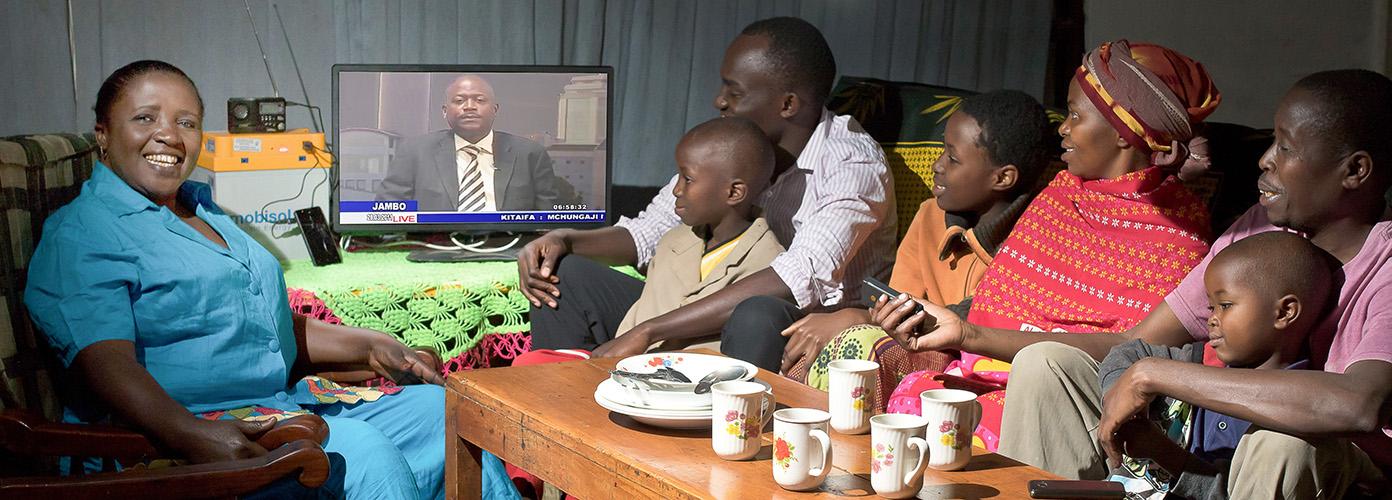
While global access to electricity is improving, Sub-Saharan Africa continues to face substantial challenges in meeting Sustainable Development Goal 7. The International Energy Agency (IEA) reports that although the number of people without electricity globally has fallen below one billion, the vast majority of those remaining are in Sub-Saharan Africa.
In countries like Kenya, significant investment in expanding electricity grids has increased access from 20% to over 50% in the past decade. However, average household electricity consumption has simultaneously decreased by nearly 70%. The cost of a new grid connection for the government is estimated at around EUR 1,500, and the low consumption often fails to cover these expenses, leading to losses for national utility companies.
Electricity is more expensive in Africa than elsewhere globally, with only a few countries managing to cover their operational and capital costs. The World Bank suggests that poverty, rather than insufficient generation, is the primary barrier to increasing electricity access. Research indicates that extending the grid to rural areas does not automatically translate to wealth; mini-grids and household solar systems may be more suitable options for poorer households.
Off-grid solar home systems (SHS) have seen a rapid rise in popularity, with tens of millions sold. The majority are smaller systems or lanterns. While they reduce reliance on expensive kerosene lamps, their impact on poverty reduction or improved learning outcomes remains ambiguous. Studies on larger solar systems are fewer, but initial findings suggest buyers are less frequently farmers and more often entrepreneurs or employed individuals, with larger systems tending to be purchased in or near urban areas.