Eliud Kipchoge Used Abbott Biosensor in Race Preparations
Marathon runner Eliud Kipchoge utilized Abbott's sports glucose sensor technology as part of his preparation for the Tokyo Olympics and the Berlin Marathon.
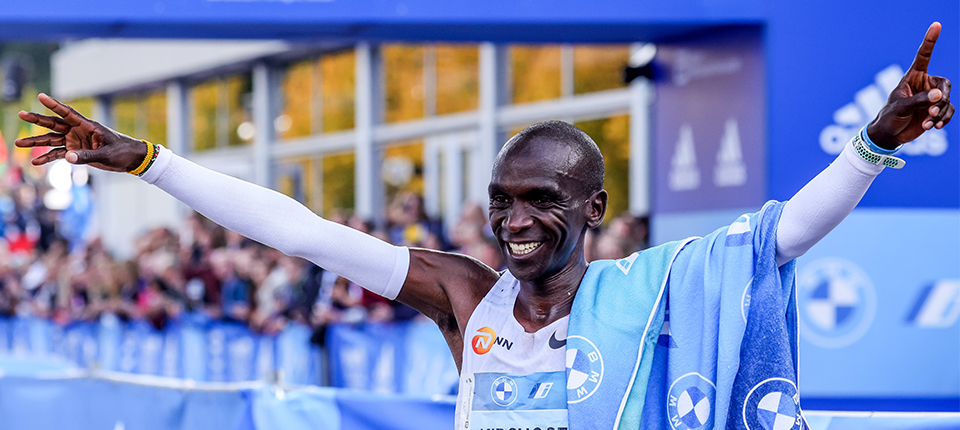
Chicago – Eliud Kipchoge, the first person to break the two-hour barrier in the marathon, has used Abbott Laboratories' glucose sensor technology in his training regimen.
Kipchoge employed the device while preparing for the Tokyo Olympics, where he secured his second consecutive marathon gold medal, and for the Berlin Marathon. Abbott describes the technology as a sports glucose biosensor that measures a user's glucose levels in real time.
The technology provides athletes with data on the relationship between glucose levels and performance. This allows for personalized nutrition plans and carbohydrate timing for optimal performance. Kipchoge himself has noted learning how even small adjustments in glucose levels can impact his running.
Abbott is the developer of the world's first sports glucose biosensor. The device, roughly the size of two quarters, is worn on the back of the upper arm and functions for up to 14 days, transmitting data to a mobile app. Abbott also serves as the title sponsor for the World Marathon Majors series.