Energy Department launches $215 million push for scientifically useful quantum computers by 2028
The U.S. Department of Energy is launching a $215 million competition to develop scientifically useful, fault-tolerant quantum computers. Early versions are targeted for operation by 2028.
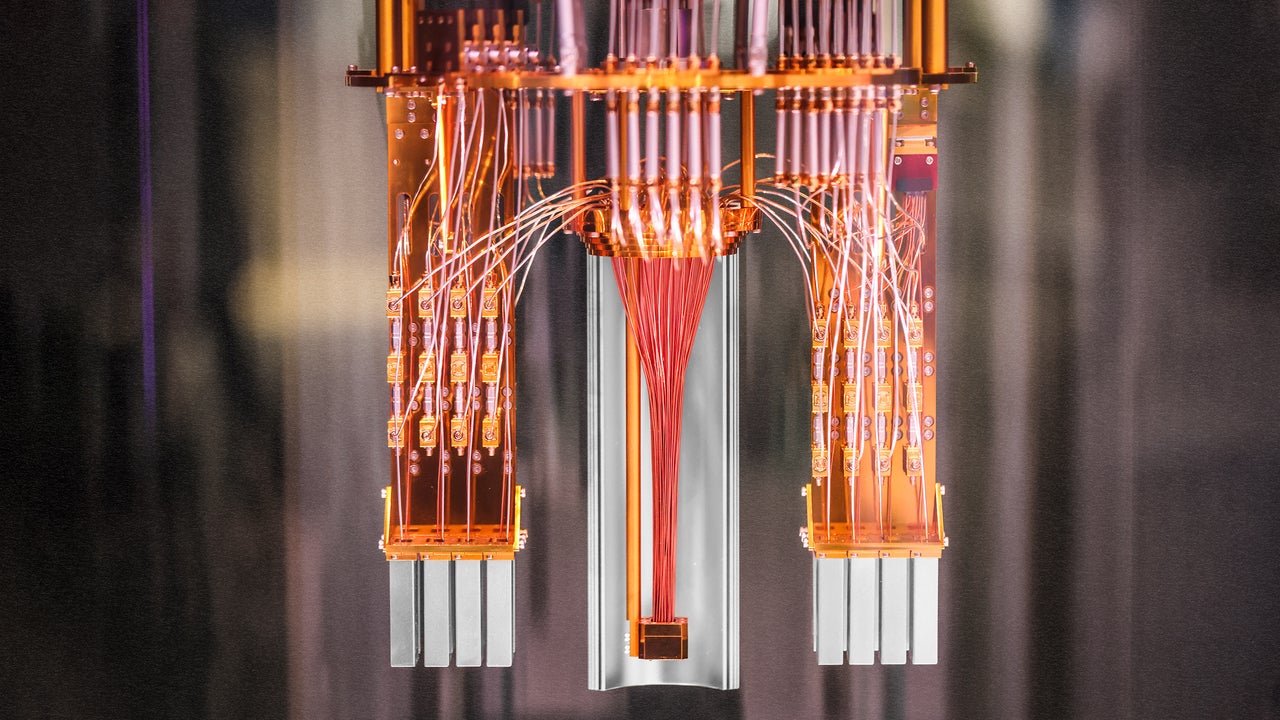
The U.S. Department of Energy (DOE) has initiated a $215 million competition aimed at developing scientifically relevant, fault-tolerant quantum computers. This initiative seeks to transition quantum computing from laboratory experiments to practical tools, with early versions expected to be operational by 2028.
The competition, named the Quantum Genesis Q Competition, invites private sector companies to propose quantum computers featuring at least 100 logical qubits capable of performing hundreds of millions of fault-tolerant operations. The goal is to transform quantum computers from experimental devices into reliable scientific instruments for solving complex problems in areas such as cryptography, materials science, drug discovery, and artificial intelligence.
The department will award up to $1.5 million for early milestones and allocate a $100 million prize pool to developers of Scientifically Relevant Quantum Computers (SRQCs). Additionally, two separate prize pools of $50 million each are available for companies that can demonstrate computers with 150 or 200 logical qubits.
This initiative builds upon decades of research in quantum technology. According to the DOE, these computers are comparable to the invention of scientific instruments like particle accelerators or telescopes that have revolutionized our understanding of nature's fundamental building blocks. The success of this program is intended to solidify the United States' position at the forefront of quantum computing capabilities.
Early award announcements are anticipated as soon as November or December. The DOE is also supporting the development of tools for validating and verifying quantum computers at national laboratories through other funding programs. This competition is part of a broader effort to leverage the potential of quantum technology across energy, medicine, and national security.