Energy Drink Rankings Reveal Vast Global Differences
The world's first objective global energy drink ranking has accidentally revealed a much bigger story: energy drinks are fundamentally different products depending on the continent. Beverage expert Pat Eckert collected and assessed drinks from six continents over six months using a professional 36-criteria framework.
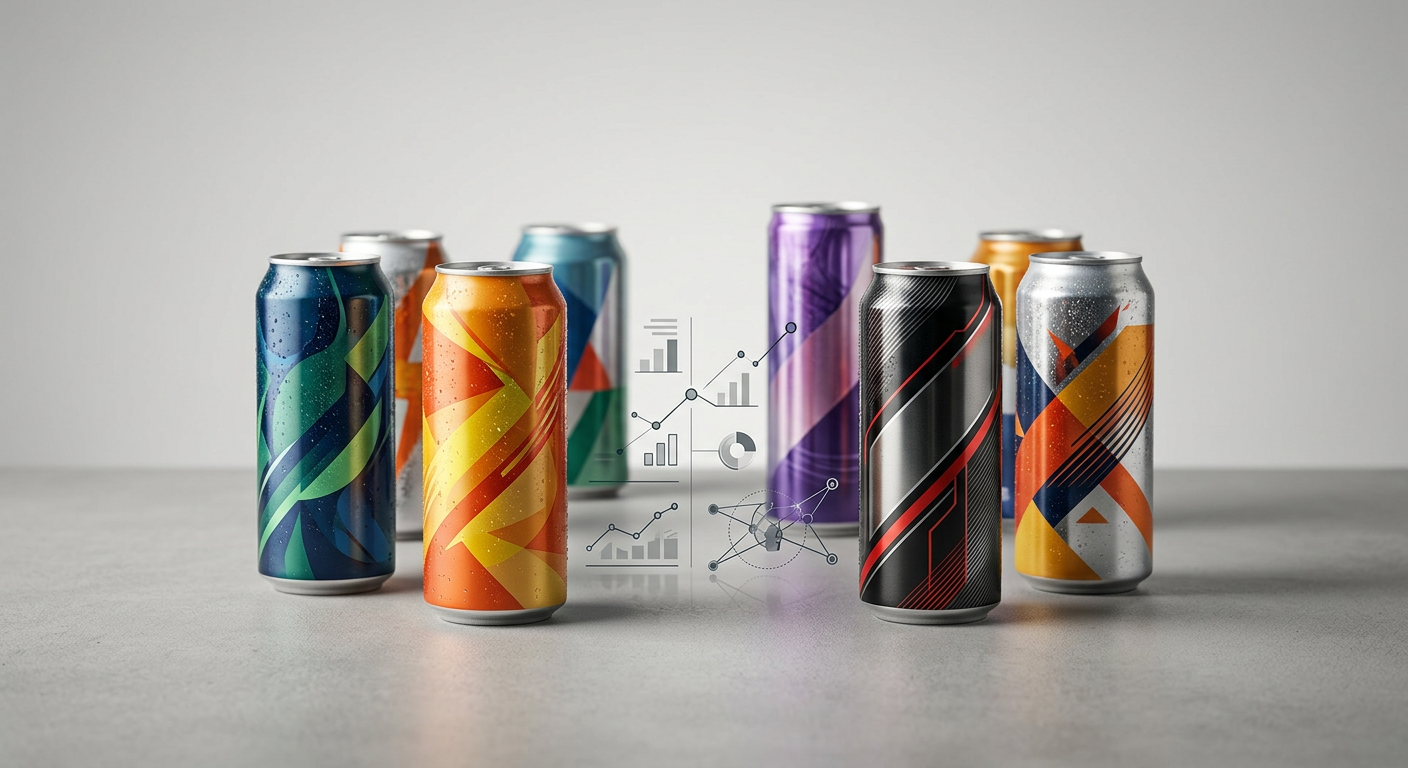
Pat Eckert, an internationally recognized German beverage professional and certified water sommelier, has undertaken a groundbreaking project resulting in the world's first objective global ranking of energy drinks. Over six months of systematic work and collection, Eckert and his team assessed energy drinks from all six inhabited continents using a professional 36-criteria framework. The goal was to measure product quality, ingredients, transparency, and formulation standards.
The project unveiled a surprising reality: energy drinks are not a globally uniform product category. Different regions adhere to distinct product philosophies. Europe emphasizes pasteurization and natural ingredients, while North America often relies on artificial sweeteners and preservatives. Asia, notably, continues to widely use real sugar, setting it apart from many other markets.
Key findings highlight stark regional disparities: 85.7% of European energy drinks were pasteurized, contrasting sharply with 12% in North America and under 1% in South America. In Asia, 78.9% of energy drinks utilized real sugar, whereas North America saw a mere 8%. Furthermore, 84% of North American energy drinks were entirely based on artificial sweeteners, a practice far less common elsewhere.
At the continental level, Europe secured the highest overall score, followed by Australia & Oceania in second place, and Asia in third. In terms of product quality, Hungary's HELL Energy ranked highest, with Germany's 28 BLACK and TAKE OFF securing second and third, respectively. Red Bull was identified as the only brand present in virtually all assessed markets worldwide, while Japan's Lipovitan-D stood out as the oldest brand in the study, dating back to 1962.