EQT Foundation commits over €1 million to brain medicine delivery research
The EQT Foundation has committed over EUR 1 million to 11 research projects focused on developing new ways to deliver medicines to the brain. The initiative aims to overcome the limitations of the blood-brain barrier.
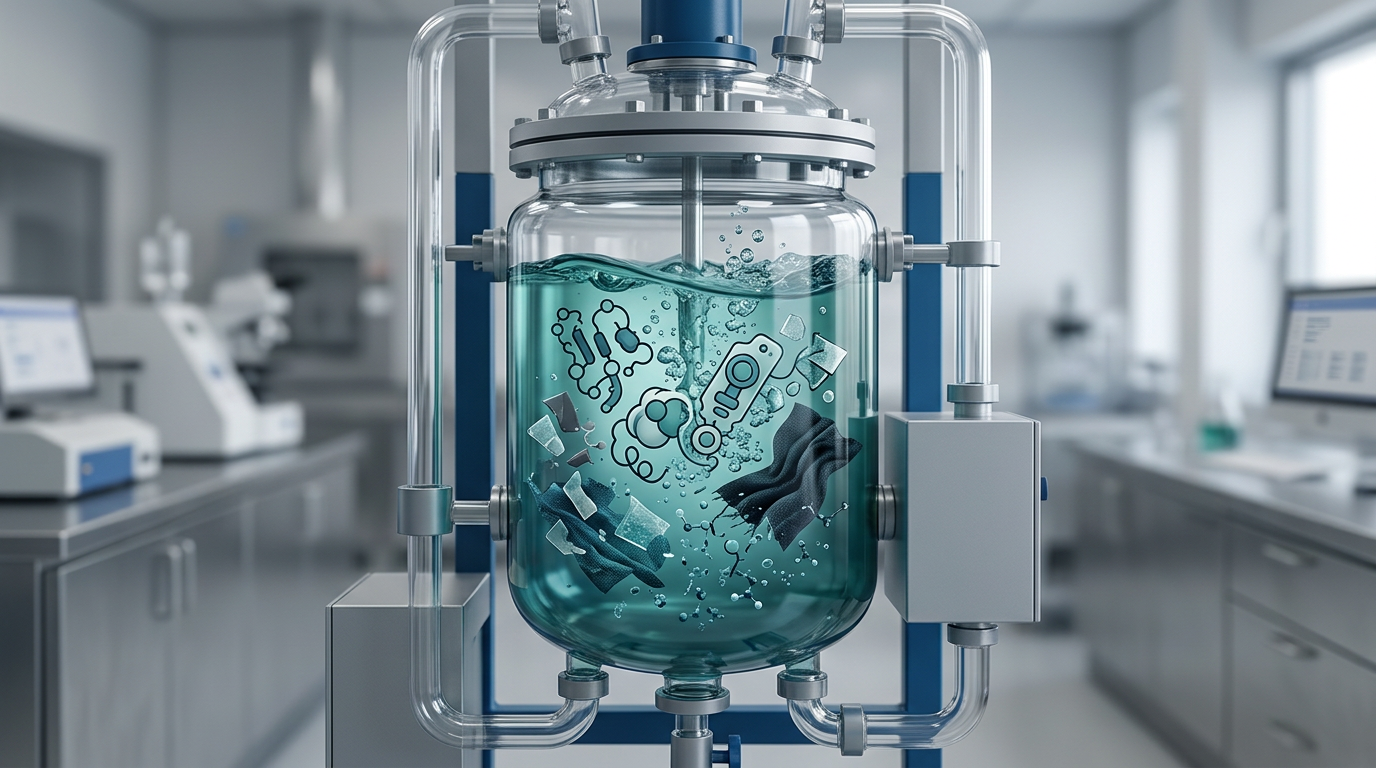
The EQT Foundation has committed more than EUR 1 million to 11 research projects aiming to develop new methods for delivering therapeutics to the central nervous system. The projects, based at 10 research institutions across the Netherlands, Belgium, the United States, and Canada, explore diverse approaches to crossing and navigating the blood-brain barrier.
The research addresses the significant challenge posed by the blood-brain barrier, which currently restricts the development of many promising treatments for neurological, neurodegenerative, oncological, and rare genetic diseases. New delivery technologies could enable emerging modalities like gene editing, RNA medicines, and antibodies to reach targets within the brain.
Various scientific directions are being pursued, including engineered biological carriers, molecular shuttles, gene therapy vectors, nanoparticles, and AI-designed delivery technologies. Some projects are already targeting specific diseases such as brain cancer, ALS, and rare genetic disorders.
"Science can now design increasingly sophisticated medicines. For the brain, the question is whether they can get to where they need to go, which makes delivery the problem underneath all the others," said Cilia Holmes Indahl, Head of EQT Foundation. "This group is trying a remarkably wide set of answers. If any of them work, they could potentially work for many diseases at once."