EU Commission proposes reforms to internal combustion engine ban
The European Commission has presented proposals to reform the "internal combustion engine ban." If the proposal is adopted, the sale of internal combustion engine vehicles could continue under strict conditions even after 2035. The ADAC automobile club sees the proposal as a direction but calls for more technology choices.
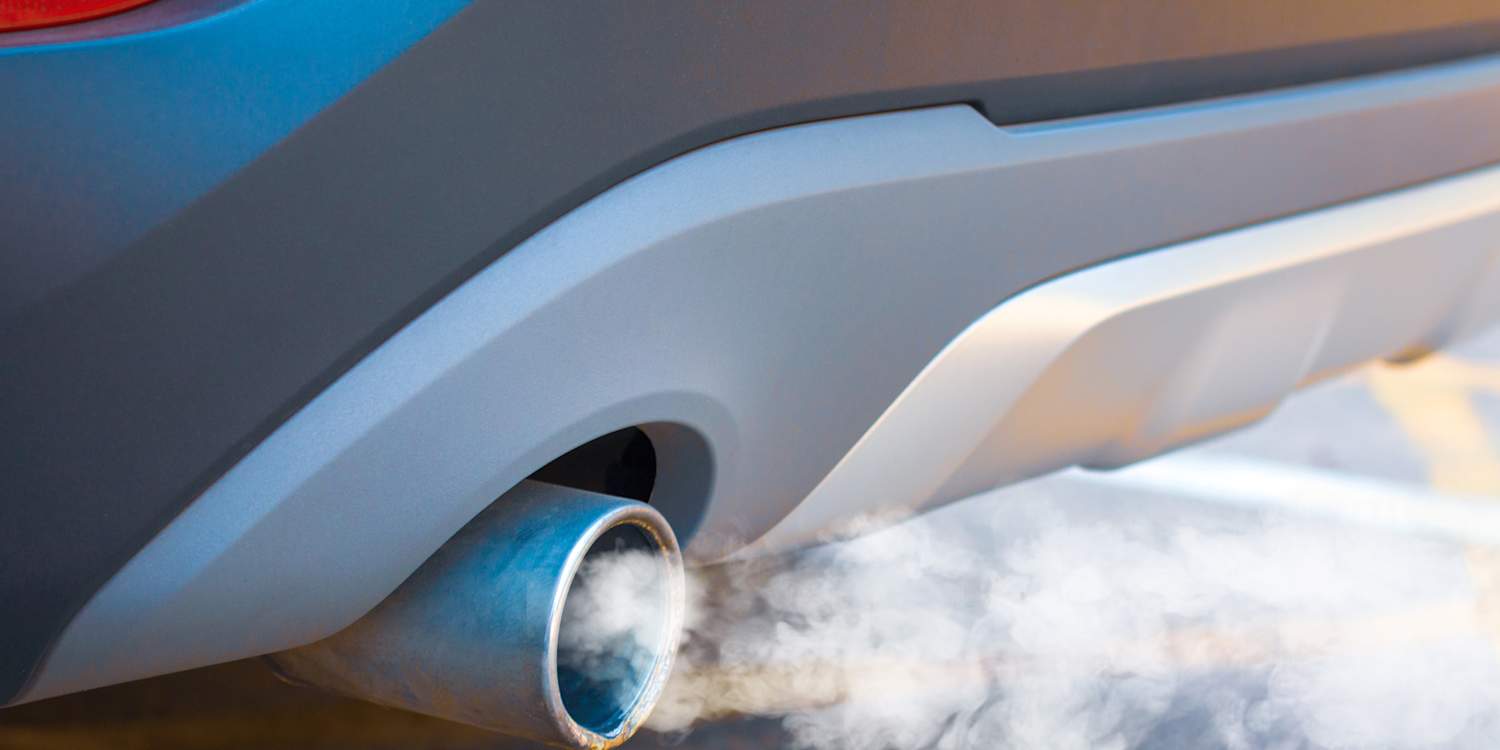
The EU Commission has put forward proposals to revise the planned ban on the sale of new internal combustion engine vehicles. If the Commission's proposal is adopted, the sale of such vehicles could be permitted beyond 2035, but under strictly defined conditions. Under current regulations, manufacturers must reduce CO2 emissions from new passenger cars by 100 percent compared to 2021 levels by 2035.
The proposed reform package lowers the CO2 emission reduction target for new vehicles in 2035 to at least 90 percent compared to 2021. This is conditional on the remaining 10 percent of emission reductions being compensated for through the use of environmentally friendly steel and alternative, lower-carbon fuels. These exemptions are proposed to apply to all vehicles that manufacturers plan to launch on the market after 2035.
The ADAC, a German automobile club, welcomes the EU Commission's willingness to deviate from the strict fleet regulation system and allow for some openness to other technologies. ADAC believes that adjusting the target levels could enable the continued sale of plug-in hybrids, range-extender vehicles, and pure internal combustion engine cars alongside battery-electric passenger cars. The organization argues this would better cater to the diverse needs of consumers.
However, ADAC criticizes the EU Commission for not introducing stronger incentives for alternative fuels such as biofuels and synthetic e-fuels. ADAC's technical president, Karsten Schulze, emphasized that greater flexibility should be allowed for emission reduction offsets through environmentally friendly steel and renewable fuels, noting the significant role of biofuels and e-fuels in decarbonizing the vehicle fleet.
The proposals will now be processed by the European Parliament and EU member states, who may introduce modifications. Approval requires a sufficient majority in both institutions. The Commission also proposes new rules for corporate and service vehicle fleets, as well as "super credits" to incentivize the production of small and affordable electric cars within the EU.