Europe can win in physical AI
Europe's success in physical AI depends on industrial players' willingness to adopt the technology. Analysis from Paladin Capital Group highlights the industry's role.
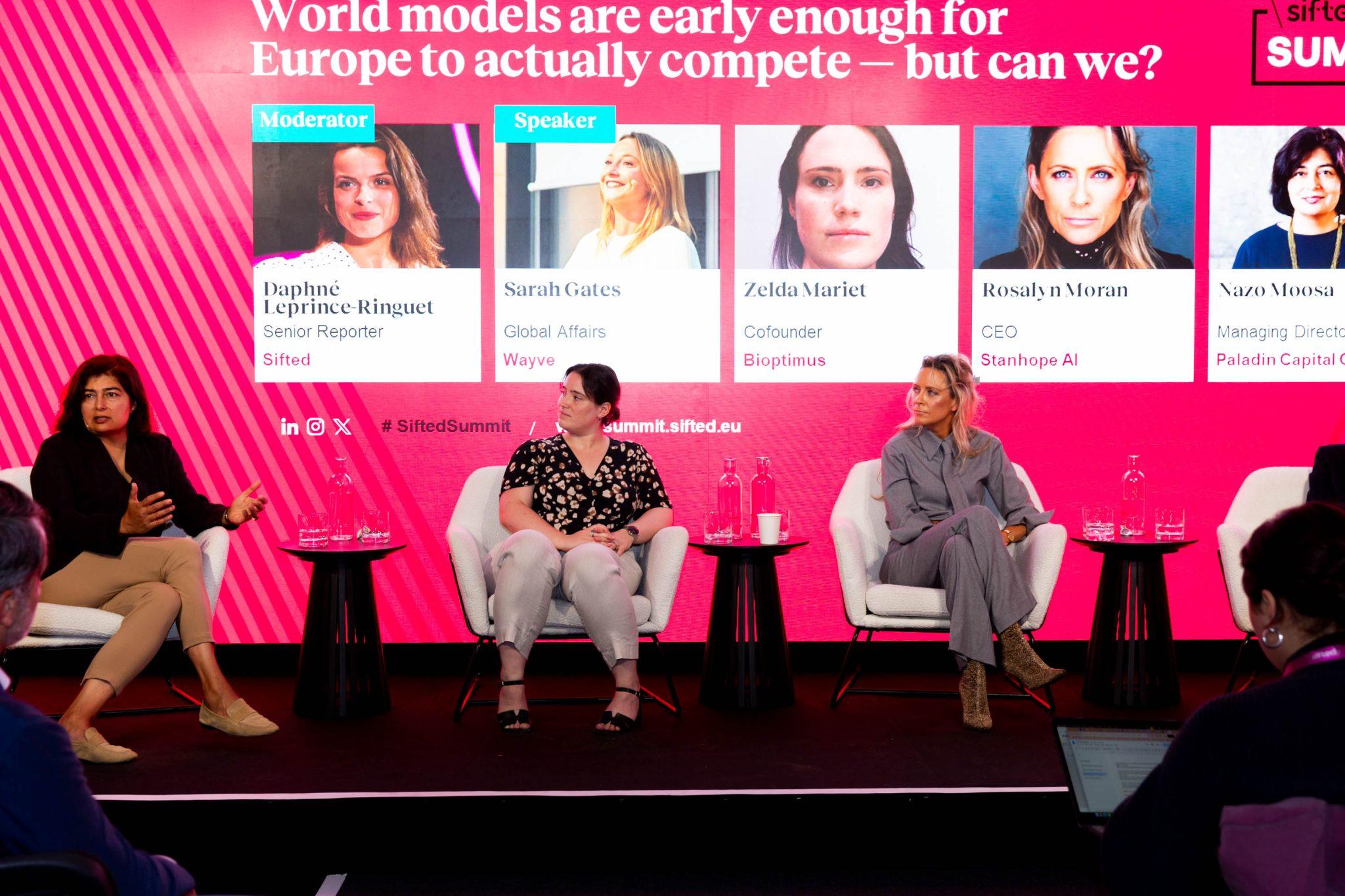
Europe has a real chance to build champions in physical AI, but the region's success will be defined by the willingness of industrial players to adopt the technology. According to analysis from Paladin Capital Group, success will not only be measured by the development of new AI solutions but also by their integration into existing industries.
Nazo Moosa, managing director at Paladin Capital Group, stated that while Europe possesses strong AI capabilities, its potential in physical AI—which merges AI with the physical world, like robotics and automation—remains underutilized without active participation from established industries. He emphasized that large industrial corporations can either facilitate or hinder the adoption of physical AI.
The report indicates that success for physical AI in Europe requires the embrace of significant industrial players, including manufacturing, logistics, and energy sectors. Despite Europe's abundant potential and numerous startups developing AI solutions, the inability of major corporations to integrate new technologies could impede progress.
Many analysts and experts stress that the growth of Europe's physical AI ecosystem necessitates stronger collaboration between startups and traditional industrial firms. The experiences of companies like Siemens and Bosch, which have begun integrating AI into their production processes, could offer models for others. However, success hinges on substantial investment and a readiness to adapt established practices.