Evaluating Short vs Long Throw Projector Technology
Understanding projector throw distance is essential for optimal installation, as it dictates space requirements and image performance based on placement.
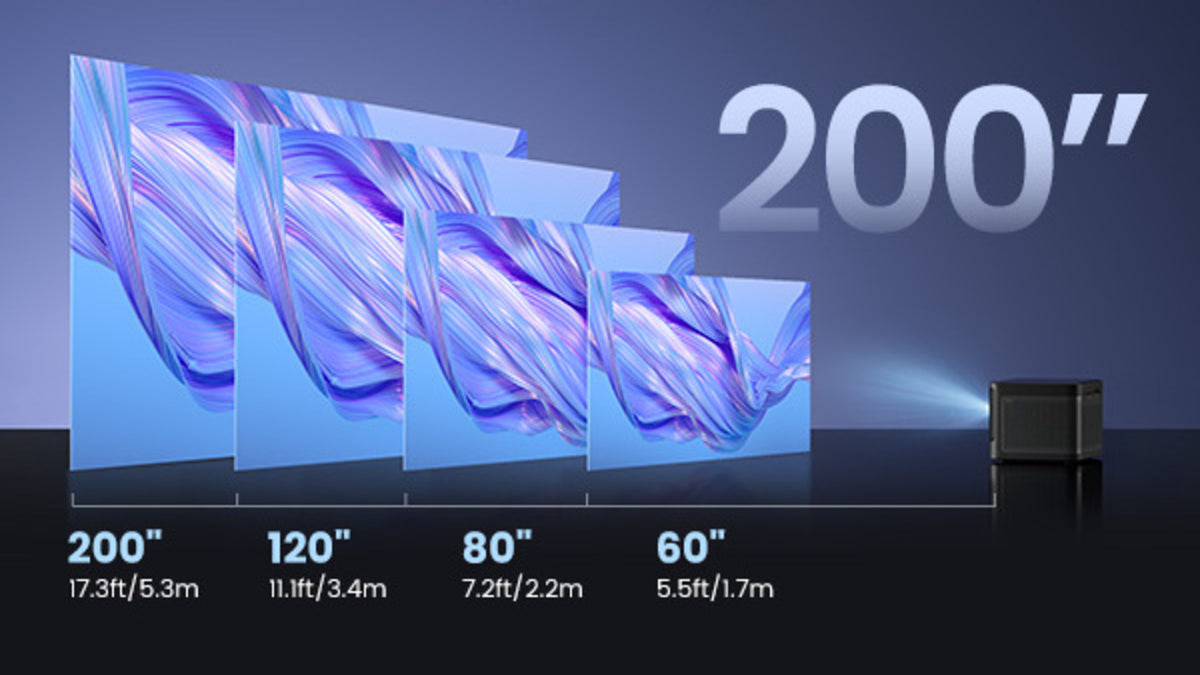
Throw distance, defined as the distance between a projector and the surface where an image is displayed, remains a primary factor in hardware configuration. Dangbei has outlined the distinctions between short and long throw projection systems to assist users in selecting hardware appropriate for their specific environmental constraints.
Short throw projectors are engineered for confined spaces, typically requiring less than eight feet of distance to produce large-format displays. By placing the projector closer to the wall or screen, users can significantly reduce the risk of shadows and visual obstructions. While this offers versatility for small offices or classrooms, these units generally carry a higher price point due to the specialized lens technology required to maintain image clarity at close ranges.
Conversely, long throw projectors are suited for larger venues, such as auditoriums or expansive home theaters. These devices offer a more cost-effective solution when space is abundant, allowing for flexible mounting positions that hide the hardware from the viewer's immediate area. The distance inherent in these setups naturally distances the audience from the unit's thermal output and operational noise.
Ultimately, the choice between these technologies depends on available square footage and the intended use case. Projector placement must be evaluated during the planning phase to avoid issues related to image size limitations or physical obstructions.