Experts cite paper ballots as key defense against AI-driven election risks
As concerns grow regarding artificial intelligence interfering with election systems, security analysts highlight the resilience of paper ballots.
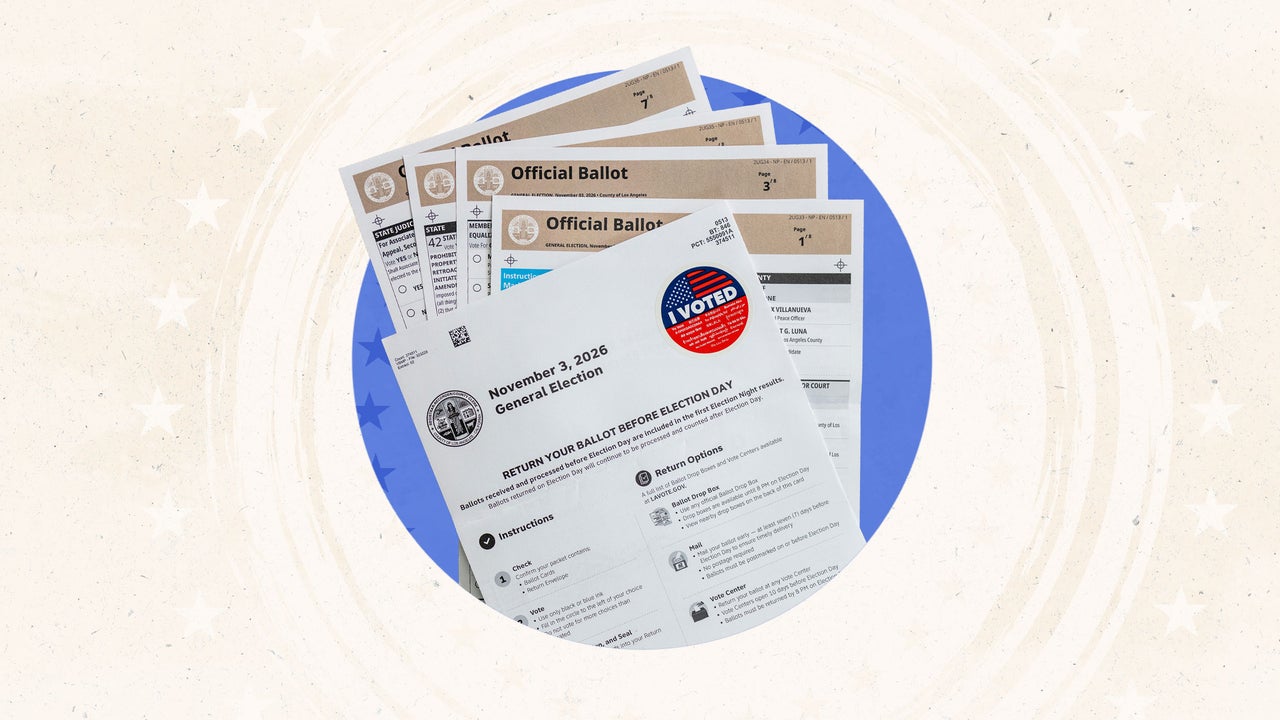
Technological analysts and election security experts are increasingly advocating for paper-based voting systems as a necessary safeguard against the rising threat of artificial intelligence. While there is currently no evidence of AI directly altering election outcomes, the capability of large language models to interface with government systems and potentially introduce code vulnerabilities has intensified calls for analog verification.
The primary security advantage of physical ballots lies in their immunity to remote hacking. Unlike digital-only systems or internet-based voting proposals, paper records provide a verifiable audit trail that can be manually recounted. This corroboration is viewed by groups like the Brennan Center for Justice as a critical measure to maintain public trust, particularly as election-related disinformation and skepticism regarding voting machine integrity continue to circulate.
AI risks extend beyond direct system interference into the realm of generative misinformation. The use of deepfakes and automated bias dissemination presents ongoing challenges for electoral integrity. Providers such as OpenAI have established internal monitoring units to track the abuse of their platforms during high-stakes political periods.
Despite the logistical challenges associated with manual processing, such as potential human error or slower tallying speeds, the security of an unhackable physical record is increasingly prioritized over the speed of digital infrastructure. Experts emphasize that the ability to physically verify a vote remains the most effective defense against the unpredictable behavior of sophisticated AI models.