Experts identify three factors for regional pandemic preparedness in wastewater surveillance
A workshop in Singapore identified harmonized testing, more trained personnel, and active community engagement as key for effective wastewater surveillance. The aim is to strengthen regional pandemic preparedness for infectious diseases.
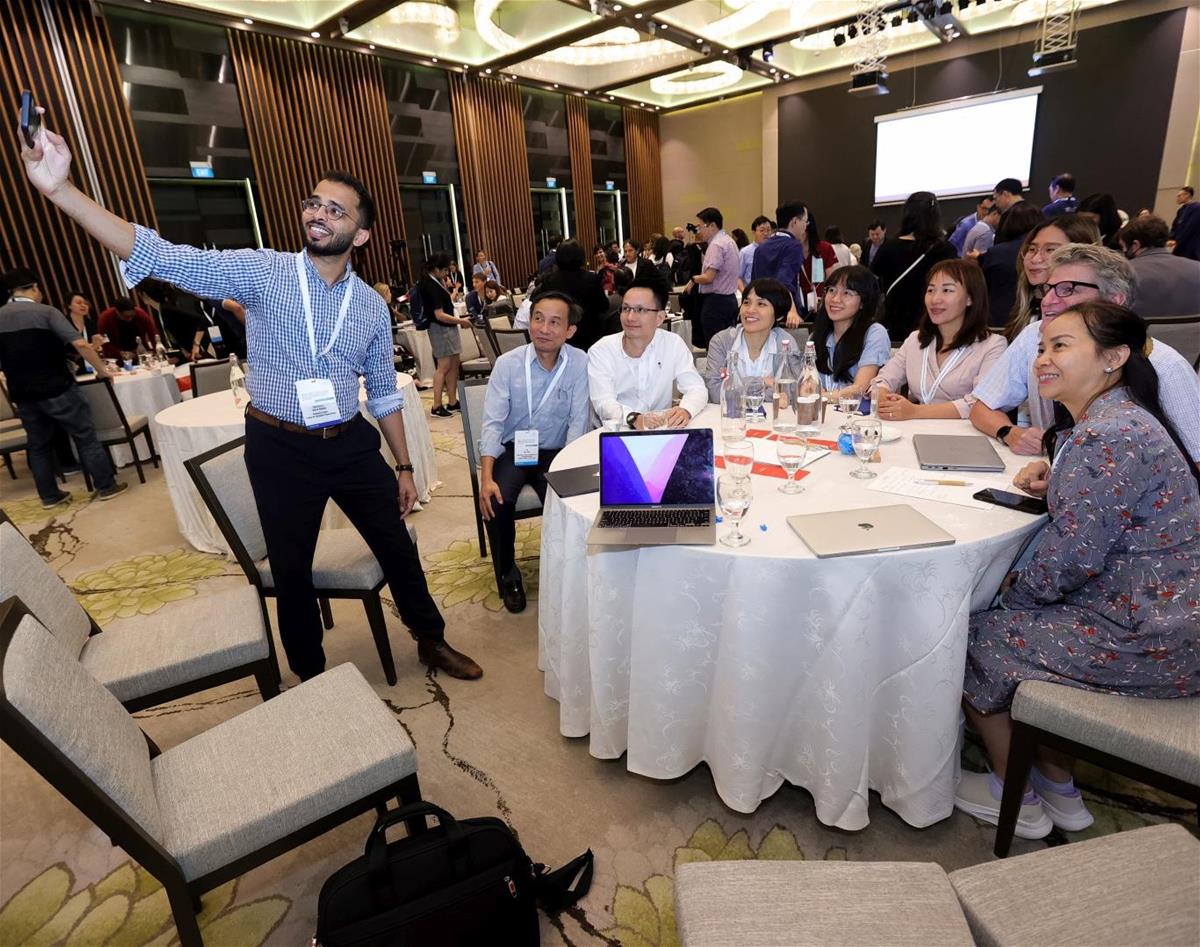
International experts have identified three essential factors to bolster wastewater surveillance as a cornerstone of regional pandemic preparedness. Gathering in Singapore in June, specialists agreed that harmonized testing and reporting protocols, increased numbers of trained personnel, and active community engagement are crucial for improving regional surveillance programs.
The "Developing a Regional Agenda for Wastewater and Environmental Surveillance and Research for Epidemics and Pandemics" workshop brought together 300 experts from over 40 countries. Participants hailed from government bodies, academic institutions, public laboratories, industry, and non-governmental organizations, highlighting the multidisciplinary nature of the work. The event aimed to create an action-oriented agenda for advancing wastewater surveillance in the region while allowing participants to expand their expertise.
Professor Wang Linfa of Duke-NUS Medical School emphasized the event's success and the need for ongoing collaboration to enhance regional security. "Given the broad range of attendees, the diverse regional representation, and the high level of discussions, it is clear that this event was a resounding success," Wang stated.
The three primary themes were the establishment of a community of practice and the creation of harmonized data-sharing frameworks to enable cross-country comparisons. Additionally, the importance of upskilling health professionals was stressed to ensure the sustainability of surveillance efforts. Experts also underscored the need to address ethical considerations and involve communities in these programs to bolster public health.
The workshop facilitated knowledge sharing and built a case for incorporating wastewater and environmental surveillance into national infectious disease monitoring. Associate Professor Ng Lee Ching from Singapore's National Environment Agency noted that wastewater surveillance is a multisectoral field requiring engagement with a wide array of stakeholders.