FAA Proposes Rule to Allow Supersonic Jets Over US Cities if Quiet
The US Federal Aviation Administration has proposed a new rule that would lift the ban on commercial supersonic flights over the United States. This could allow supersonic airliners to return, provided they can significantly reduce the noise from their sonic booms.
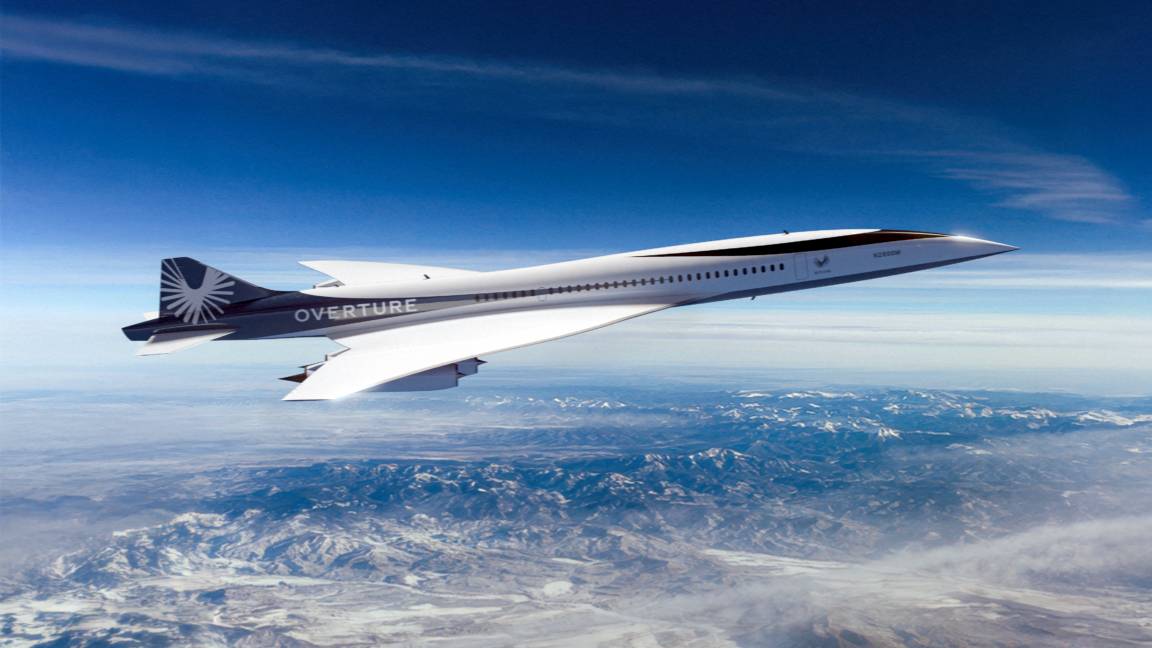
The US Federal Aviation Administration (FAA) has proposed a new rule that would overturn a ban on commercial supersonic flights over the United States, potentially paving the way for the return of supersonic airliners. The proposed regulation allows for such flights provided aircraft can minimize the ground-level impact of their sonic booms.
The FAA originally prohibited overland supersonic flights by civil aircraft in 1973, following public complaints from military tests conducted over US cities in the 1960s. The current proposal aligns with a previous administration's directive to remove the ban and enable supersonic commercial operations that do not produce disruptive sonic booms.
The new rule would replace the 53-year prohibition with a "noise-based" certification standard. This standard requires that any sonic boom overpressure at the surface must be kept below 0.11 pounds per square foot. This benchmark is influenced by demonstrations by startup Boom Supersonic using its XB-1 aircraft, which has shown that certain atmospheric conditions and higher altitude flights can refract shockwaves upward, away from the ground.
If finalized, the rule could spur development in the supersonic jet sector, offering faster travel times. The focus on noise reduction aims to ensure that the return of supersonic flight integrates more harmoniously with communities and the environment.