Factors Driving Grocery Price Increases and Consumer Savings Tips
Grocery prices are rising due to climate change, tariffs, and energy costs. Consumers can manage expenses by shopping seasonally, planning meals, and reducing food waste.
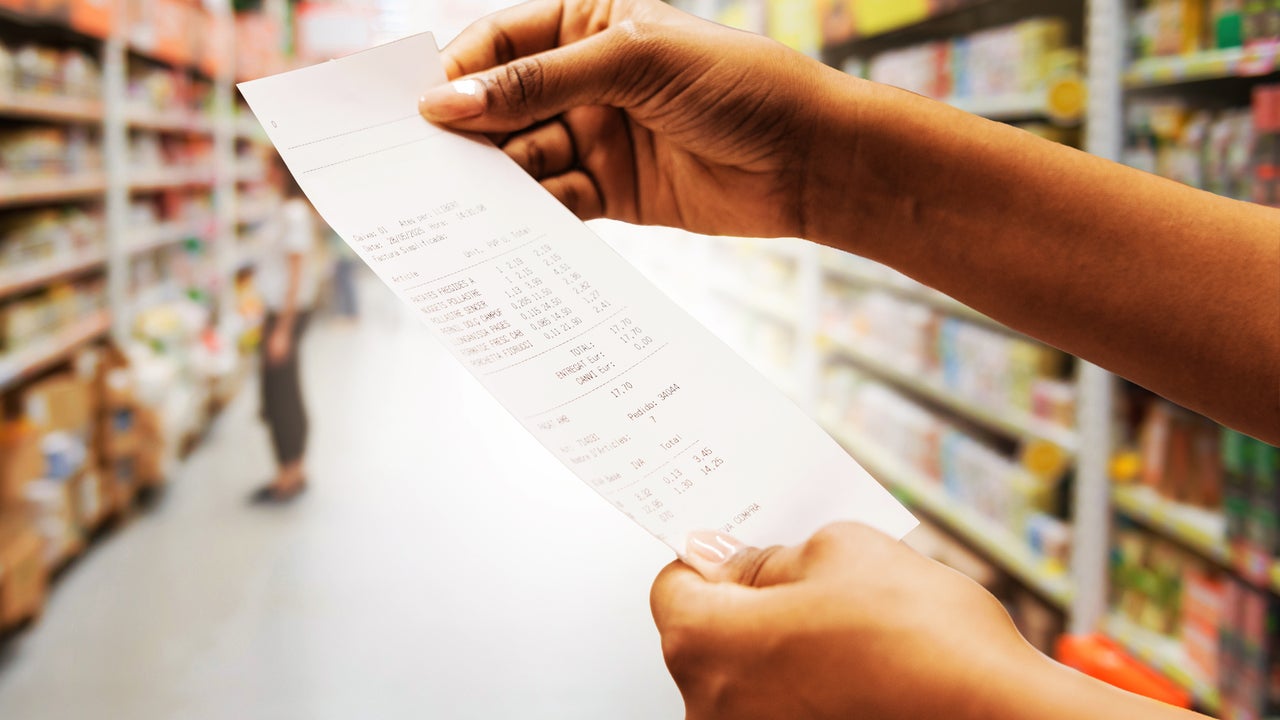
Consumers are facing significant increases in grocery prices, with the latest consumer price index data showing a sharp rise in food costs. The same basket of groceries was 2.7% more expensive in August 2026 than in August 2025, and prices have climbed 33% since August 2019.
Several factors are contributing to these higher prices. Climate change impacts crop yields and livestock production, driving up costs for items like beef and fruit. For instance, U.S. cattle farmers have reduced herds due to drought and high feed costs, resulting in the smallest cattle inventory since 1951.
Additionally, government-imposed tariffs increase the cost of imported goods. Products like coffee and bananas, which are almost exclusively imported, see direct price hikes. Tariffs on steel imports have also contributed to higher prices for canned foods.
Energy costs represent another significant factor. Increased diesel prices directly affect the transportation costs of groceries, which ultimately reflects in shelf prices. The combined impact of these factors makes it increasingly challenging for consumers to manage their food budgets.
Despite rising prices, consumers can employ several strategies to save money on groceries. These include buying seasonal and local produce when possible, reducing meat consumption, regularly cleaning out refrigerators and pantries to minimize food waste, and planning meals in advance.