Fast Company Explores AI in Writing: Beyond Time Savings
Fast Company analyzes the growing use of AI for writing, questioning if it's more than just a time-saving tool. The article delves into the psychological drivers behind adopting AI, even when output quality suffers.
The widespread adoption of generative AI for writing tasks, from articles to emails, is prompting reflection from Fast Company. The publication questions the true motivations behind this trend, noting that AI-generated prose is often uninspired and predictable, potentially "drowning channels" of communication.
While time savings and laziness are commonly cited reasons for using AI, Fast Company suggests deeper psychological factors are at play. The article posits that AI offers a release for those intimidated by writing, a skill often treated as a marker of social class and intellect. The anxiety associated with perceived linguistic inadequacy, particularly for individuals who struggled with writing in educational settings, makes AI an appealing shortcut.
This phenomenon is linked to "linguistic insecurity," where individuals doubt the correctness of their own language use. AI provides a way to bypass these perceived barriers by producing "correct" text effortlessly. While this can democratize idea sharing, it also risks fostering dependence and diminishing originality.
Furthermore, the article identifies three biases that encourage AI use: conformity, the perception of authority, and a harsh self-critique of one's own work. AI's fluent and confident output can be mistaken for superior intelligence, leading users to favor it over their own, less polished efforts. The perceived perfection of AI-generated text exacerbates feelings of inadequacy about personal writing abilities.
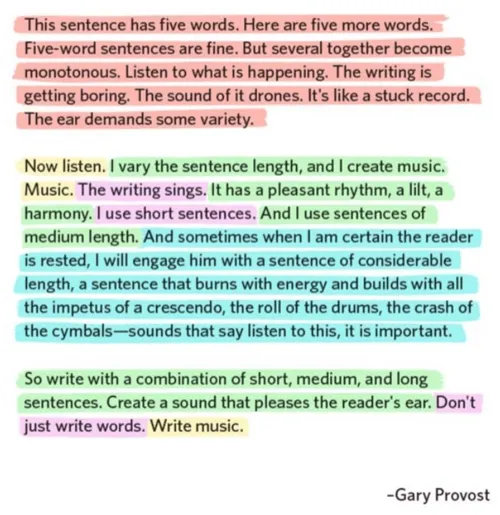
Ultimately, Fast Company observes that both humans and AI detection tools are becoming adept at recognizing AI-generated text through patterns like low perplexity and consistent sentence structure. While AI can help overcome initial writing hurdles, its overuse may lead to a homogenized output and a reduction in genuinely creative and original contributions.