Fast Company Proposes Four Levels for AI in Healthcare
Fast Company has outlined a four-level framework to categorize the integration of artificial intelligence in healthcare, aiming to clarify the sector's rapid development.
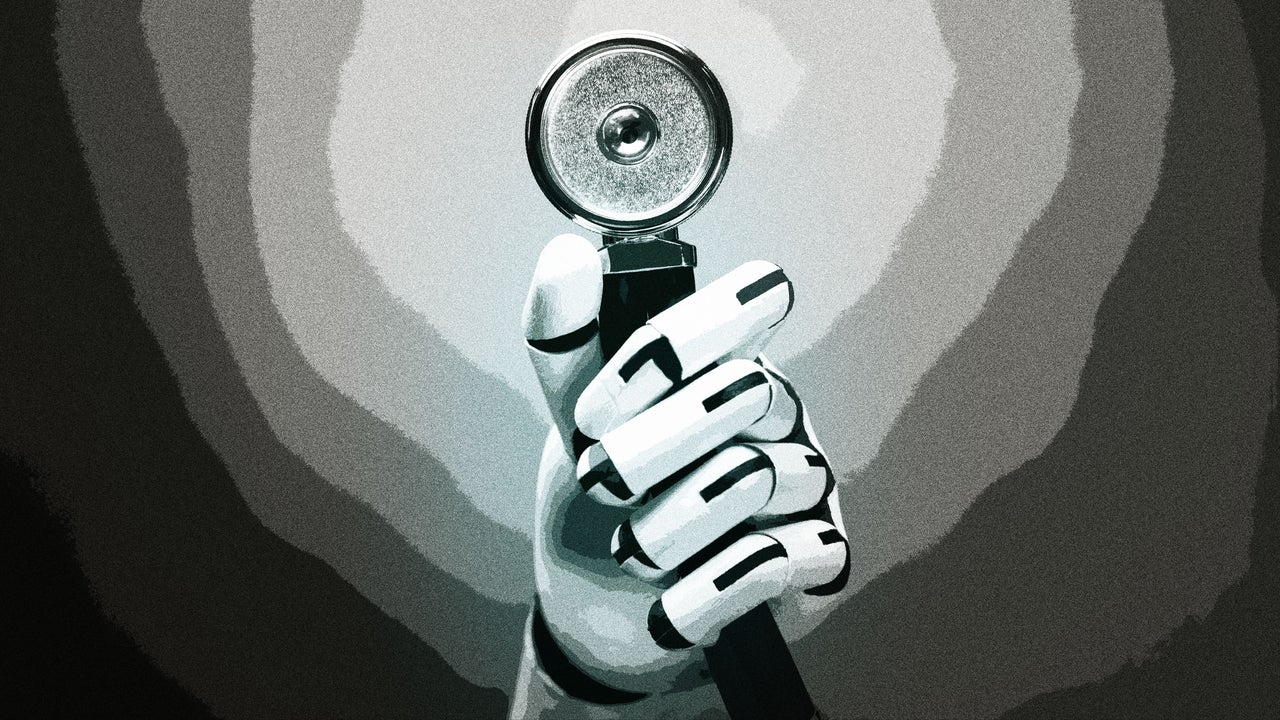
Fast Company has published an article proposing a four-level framework for the application of artificial intelligence (AI) in healthcare. The framework aims to bring clarity to the sector's rapid evolution and assist regulators, administrators, and consumers in evaluating and adopting new technologies.
The article draws a parallel between the current state of AI in healthcare and the situation of self-driving cars a decade ago. At that time, inconsistent terminology led to confusion about the capabilities of different systems. A standardization, similar to SAE J3016 for vehicles, is now needed to establish a common reference point.
Fast Company suggests four levels of automation: No Automation, Light Automation, High Automation, and eventually Complete Automation. Currently, most people experience little to no automation in their healthcare. Diagnoses and treatment decisions are still heavily reliant on human medical expertise, despite the widespread use of diagnostic tools like medical imaging.
The "Light Automation" stage involves AI acting as an assistant to human doctors and healthcare providers, akin to cruise control in a car. This development is expected to help address physician shortages and rising healthcare costs. The article also touches upon broader questions regarding AI's impact on healthcare financing models, reimbursement systems, and the future roles of healthcare professionals.