FDA staff oppose HHS plan to ease restrictions on unproven peptide drugs
FDA scientists have pushed back against a Department of Health and Human Services plan to limit enforcement against unproven peptides favored by leadership.
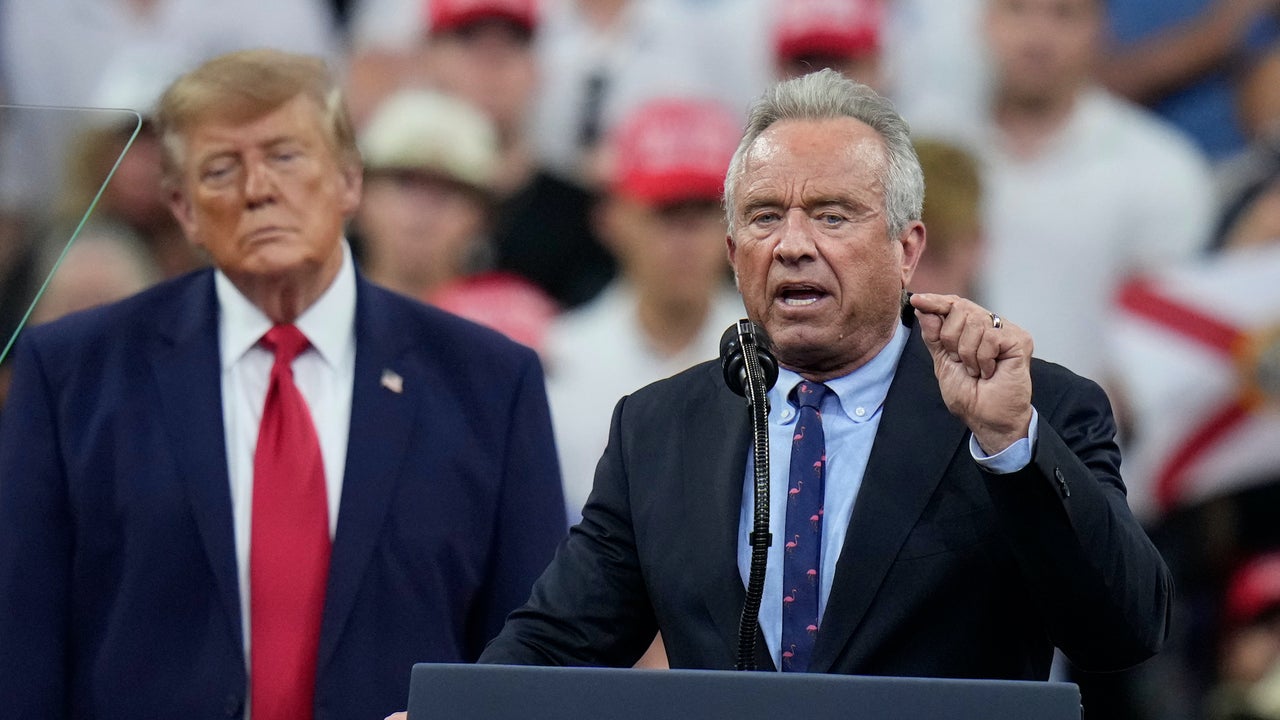
Scientific staff at the Food and Drug Administration have expressed opposition to a proposed policy from the Department of Health and Human Services (HHS) that would ease access to unproven peptide drugs. The policy, currently under review at the White House, directs the FDA to refrain from enforcement actions against specialty pharmacies that compound substances lacking federal safety and efficacy approval.
FDA staff warned that the directive could compromise the agency's primary mission of preventing unsafe health products from entering the market. The substances in question, including BPC-157 and TB-500, have not been vetted through the agency’s standard regulatory review process. In 2023, the FDA specifically identified these compounds as posing risks, including kidney damage and allergic reactions.
The push for the policy is led by Health Secretary Robert F. Kennedy Jr., who has advocated for broader access to peptides, citing them as an alternative to unregulated gray-market products. While the final policy includes some technical safeguards—such as requirements for sourcing ingredients from FDA-regulated facilities—opponents note that bypassing the FDA’s standard regulatory authority sets a concerning precedent for public health oversight.
The compounding industry has expanded from a niche medical service to a multi-billion dollar sector. Historically, the FDA has maintained strict authority over compounding to prevent public health crises, such as the 2012 fungal meningitis outbreak. Experts note that it is highly irregular for HHS to bypass FDA subject-matter expertise in drafting such regulatory guidelines.