Finnfund aligns investments with planetary boundaries framework
Development financier Finnfund is now anchoring its energy and infrastructure financing in the planetary boundaries framework. This model guides investment decisions to ensure the planet's sustainability.
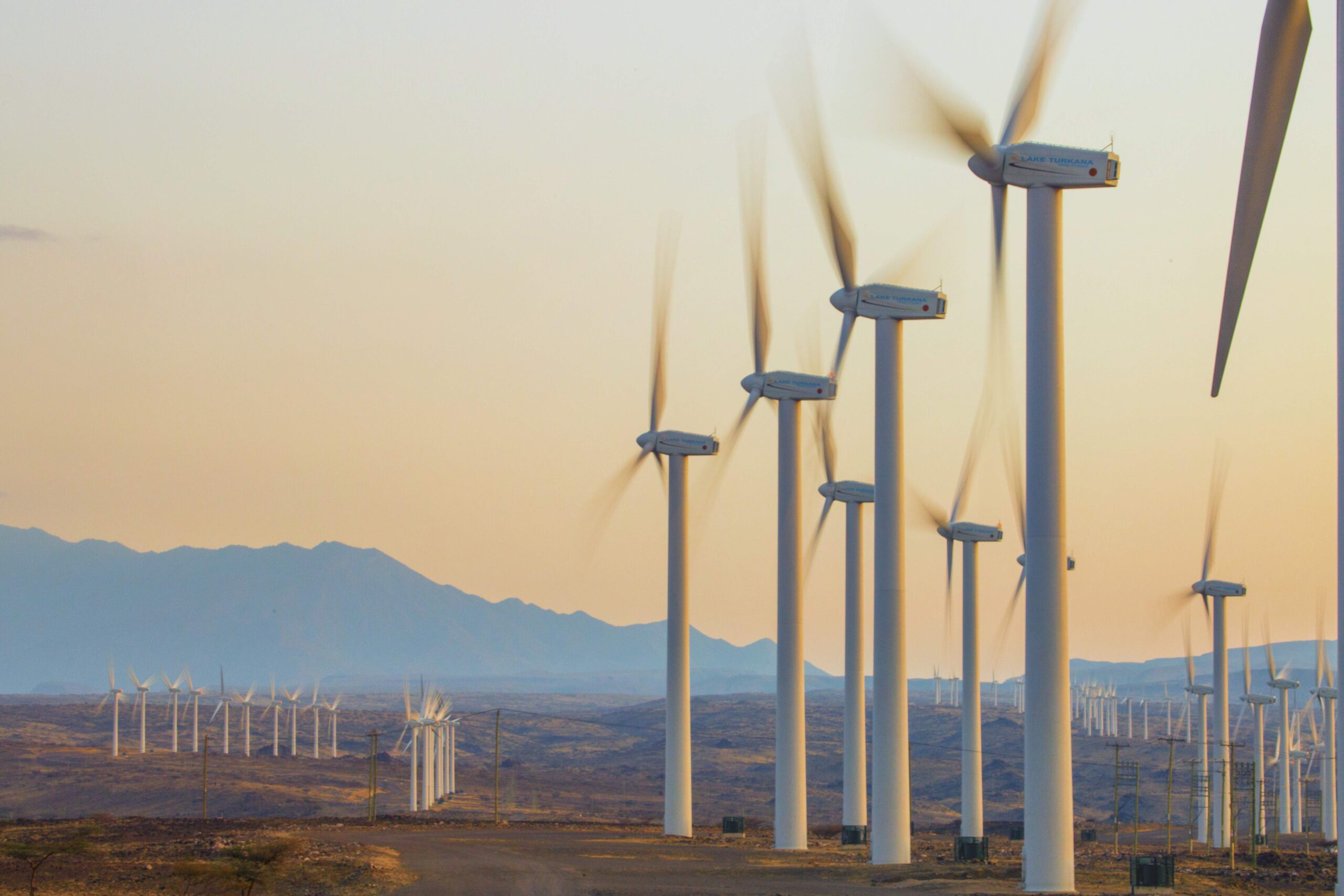
Development financier Finnfund has begun anchoring its energy and infrastructure financing decisions within the planetary boundaries framework. Developed by the Stockholm Resilience Centre, this model identifies nine critical biophysical limits—such as climate change and biodiversity loss—that human activity is straining.
Finnfund views energy investments, particularly in renewables, as crucial for the planet's future. "Energy projects deliver impact and returns," stated Jussi Tourunen, Associate Director at Finnfund. Investments in renewable energy, alongside improvements in transmission, storage, and efficiency, are seen as vital for mitigating climate change and preventing other planetary boundaries from being crossed.
More recently, Finnfund has shifted towards financing decentralized renewable energy projects. These can include numerous small power plants, such as approximately 1-MW solar units installed on factory or office rooftops, all owned by a single operator financed by Finnfund. The company is also investing in electric mobility, including electric vehicle manufacturing and charging infrastructure, as well as supporting forestry and agriculture projects that contribute to combating climate change.
Finnfund's energy and infrastructure portfolio comprises approximately 35 projects with a combined generation capacity of about 850 MW. The company makes five to seven new investments annually. Finnfund's typical financing share in large wind or solar projects ranges from €10 million to €20 million, always alongside other investors. The portfolio's book value stands at around €170 million.