FIU Study Challenges Leading Explanation for Galaxy Star Formation Quenching
New research from Florida International University suggests galaxy mergers are not the primary drivers behind why galaxies stop forming stars, challenging a long-held astronomical theory.
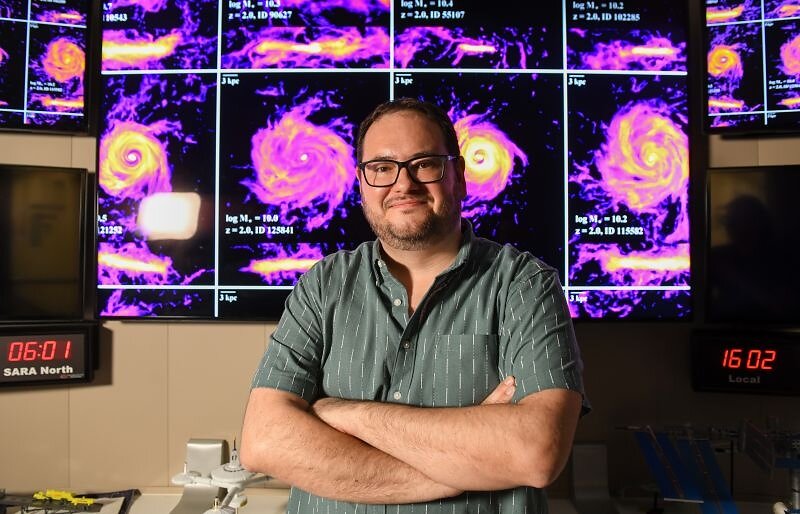
A new study from Florida International University (FIU) presents evidence challenging the decades-old explanation for why galaxies cease forming new stars. The prevailing theory, known as the "merger-quasar-quench" paradigm, posits that galactic mergers trigger active supermassive black holes, which then expel the gas necessary for star formation.
The research, led by FIU physics graduate student Camilo Casimiro and published in the Monthly Notices of the Royal Astronomical Society, analyzed over 11,000 simulated galaxies using the IllustrisTNG cosmological simulation. The findings indicate that galaxy mergers are neither necessary nor sufficient to halt star formation. Only about 3% of major galaxy mergers were followed by quenching within a billion years.
Instead, the study suggests that slower, internal processes play a more significant role in shutting down star formation within galaxies. In most cases where star formation had ceased, researchers found no evidence of a recent merger, contradicting the traditional focus on dramatic merger events.
These findings open new avenues for understanding galaxy evolution. The research suggests that astronomers may need to look beyond spectacular energetic events to understand the gradual, internal mechanisms that govern when and how galaxies stop producing stars. This shift in perspective could lead to a more nuanced understanding of cosmic evolution.