Flaşçı Explains Video Proxy Usage for 4K and 8K Editing
Flaşçı has released a guide on video proxies, facilitating the editing of large 4K and 8K video files. Proxy files are lighter working copies of the original files.
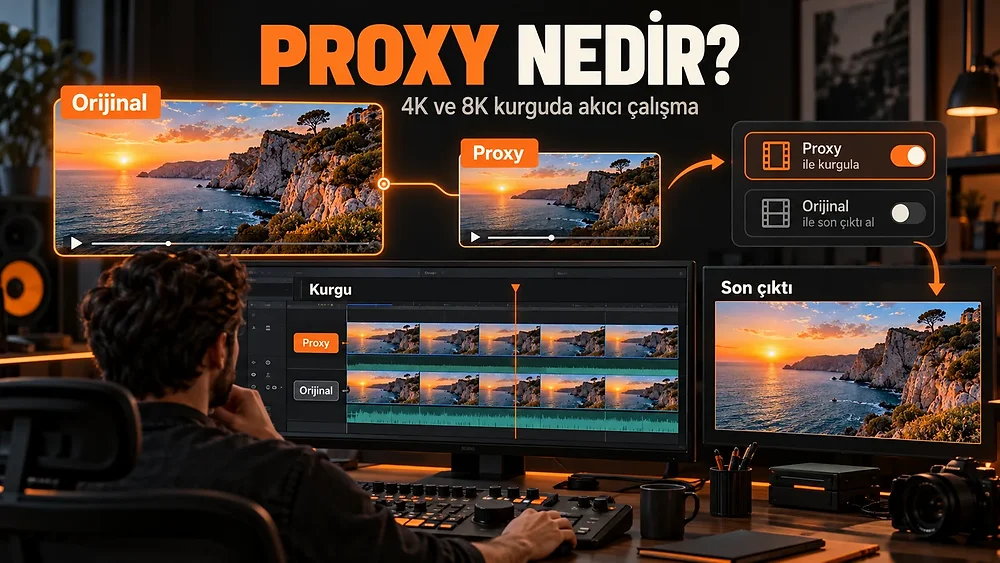
Flaşçı, a company specializing in video editing technology, has published a comprehensive guide detailing the use of video proxies for editing high-resolution 4K and 8K footage. The guide explains how proxy files, which are essentially lighter working copies of the original, data-heavy files, can significantly improve the editing process's performance.
By using proxy files, editors can work with a less resource-intensive file format during the editing phase, ensuring that the final output is rendered from the original high-quality material. This approach reduces the strain on computer hardware and speeds up editing workflows without sacrificing visual fidelity. A key aspect highlighted is the importance of ensuring correct linking between proxy and original files, and verifying the correct media is used for the final delivery.
The guide delves into the technical specifications of proxy files, such as codec, resolution, and bitrate, emphasizing that the selection should be tailored to the specific workflow. It points out that merely reducing resolution may not be sufficient, and the choice of codec can be a more critical factor for performance. Proper documentation and clear identification of files are stressed as crucial for avoiding errors, especially when dealing with footage from multiple cameras.
Flaşçı also clarifies that a proxy workflow does not resolve all performance issues. Factors such as disk connection stability, the computational intensity of effects, and available RAM continue to influence editing speed. The guide offers advice on selecting appropriate codecs and generating proxy files to achieve optimal performance and quality.