Flock Cameras Become Political Issue as Candidates Attack Surveillance Tech
Candidates across the U.S. are increasingly targeting Flock Safety's AI-powered license plate reader cameras, citing privacy concerns and mass surveillance. The technology has become a key campaign issue.
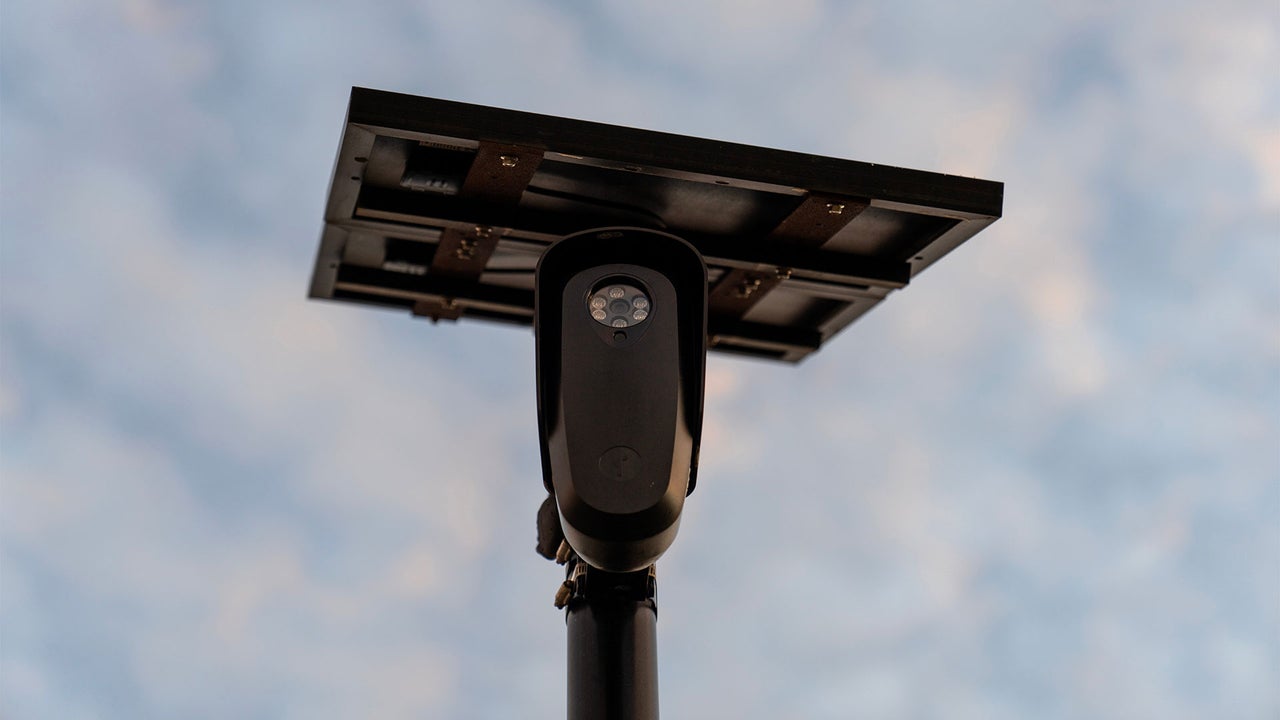
As elections approach, candidates from both major parties in the United States are increasingly making Flock Safety's AI-powered automated cameras a central campaign issue. The technology, which captures license plates and other vehicle data, is facing growing criticism over privacy and surveillance concerns.
In states like Wisconsin and Pennsylvania, gubernatorial candidates have called for restrictions or outright bans on the cameras. A congressional candidate in Michigan described the technology as "un-American," while others are campaigning on platforms opposing its widespread deployment. These criticisms reflect a broader backlash against powerful technology companies and debates over data privacy.
Flock Safety, which operates cameras in thousands of communities nationwide, defends its product as an essential tool for crime-fighting. The company states its cameras have helped solve approximately one million crimes and reunite around 10,000 missing people with their families. Flock urges critics to engage with factual data regarding the technology's use and safeguards.
Despite Flock's defense, privacy advocates and civil liberties groups argue that the extensive data collection constitutes warrantless mass surveillance. Several lawsuits have been filed challenging the constitutionality of the cameras' use. While license plate reader technology has existed for decades, the scale of Flock's network has fueled recent opposition.
Law enforcement groups continue to support the cameras as a valuable public safety tool. However, the mounting political opposition suggests that the debate over automated surveillance technology and its impact on personal privacy will intensify heading into the elections.