Flock Expands Drone Business Amidst License Plate Reader Backlash
Security camera firm Flock Safety faces criticism for its surveillance technology, but its drone business is growing rapidly and poised to become a significant revenue source.
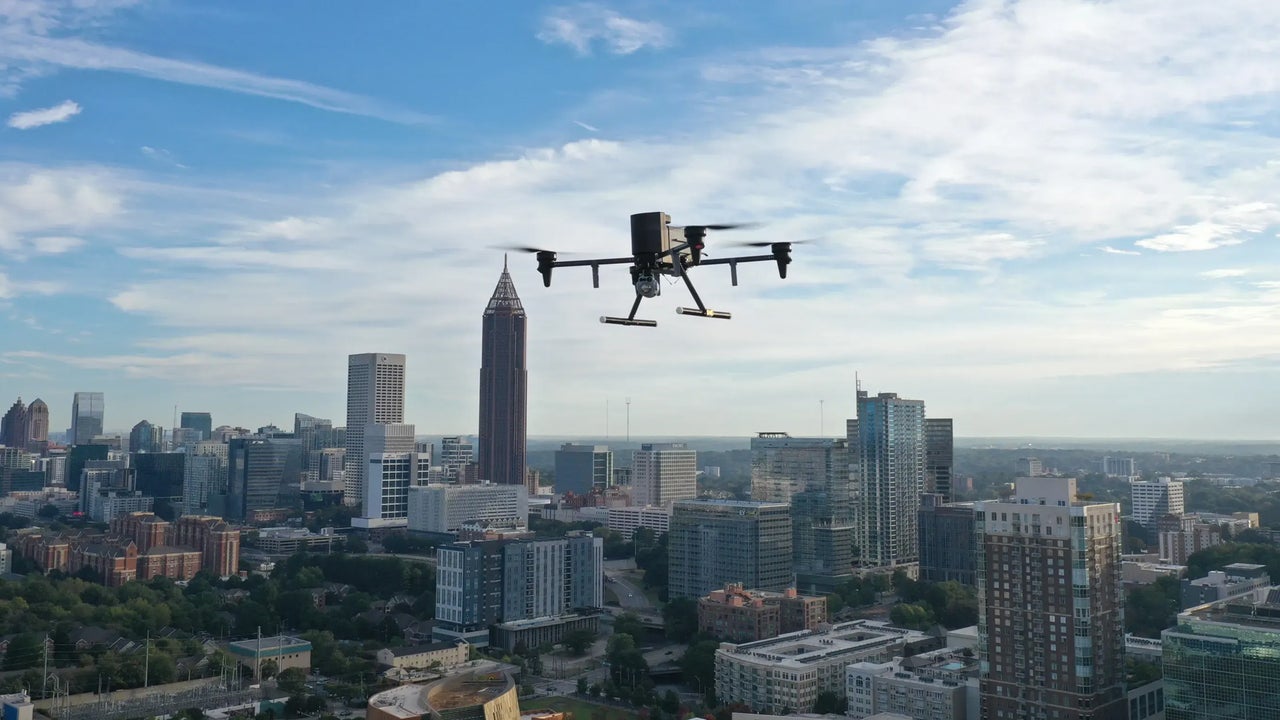
Flock Safety, a company known for its automated license plate readers (ALPRs) that have drawn criticism and bans in several cities, is experiencing substantial growth in its drone division. CEO Garrett Langley stated in September that drone technology is currently the company's fastest-growing business unit.
Valued at $8.4 billion, Flock sees drones as pivotal for future revenue, projecting they will account for nearly half of its income. The company had previously been in talks to supply drones to Chula Vista, California, a city leading in drone policing initiatives. While law enforcement agencies praise the technology's effectiveness in areas like crime reduction, civil liberties advocates express concerns about the balance between privacy and security.
The increasing adoption of drones by law enforcement, particularly in "drone-as-first-responder" (DFR) programs, is boosting Flock's drone sales. Approximately 2,000 police and public safety agencies currently utilize drones to respond to 911 calls, assess situations, and provide real-time intelligence during emergencies. Flock reports around 175 DFR customers nationwide, with significant growth anticipated in this sector.
Flock has expanded its drone offerings since 2024 through an acquisition and plans to open a U.S. manufacturing facility in Georgia by 2027. Domestic production strengthens its market position, especially following bans on Chinese drones. The company is also selling drone security solutions to private businesses and correctional facilities.
The company's Alpha drones are noted for their speed (60 mph) and flight time (45 minutes), offering enhanced capabilities for tracking vehicles and suspects, and integrating aerial footage into AI-powered analytics. While Flock aims to create a comprehensive technology ecosystem for law enforcement, concerns about widespread surveillance and privacy persist.