Flock Safety Adds Platform Guardrails After Misuse and Privacy Concerns
Surveillance technology company Flock Safety announced Thursday it is implementing platform changes to address privacy concerns and documented law enforcement misuse of its system. New rules will shorten data retention and require more specific search justifications.
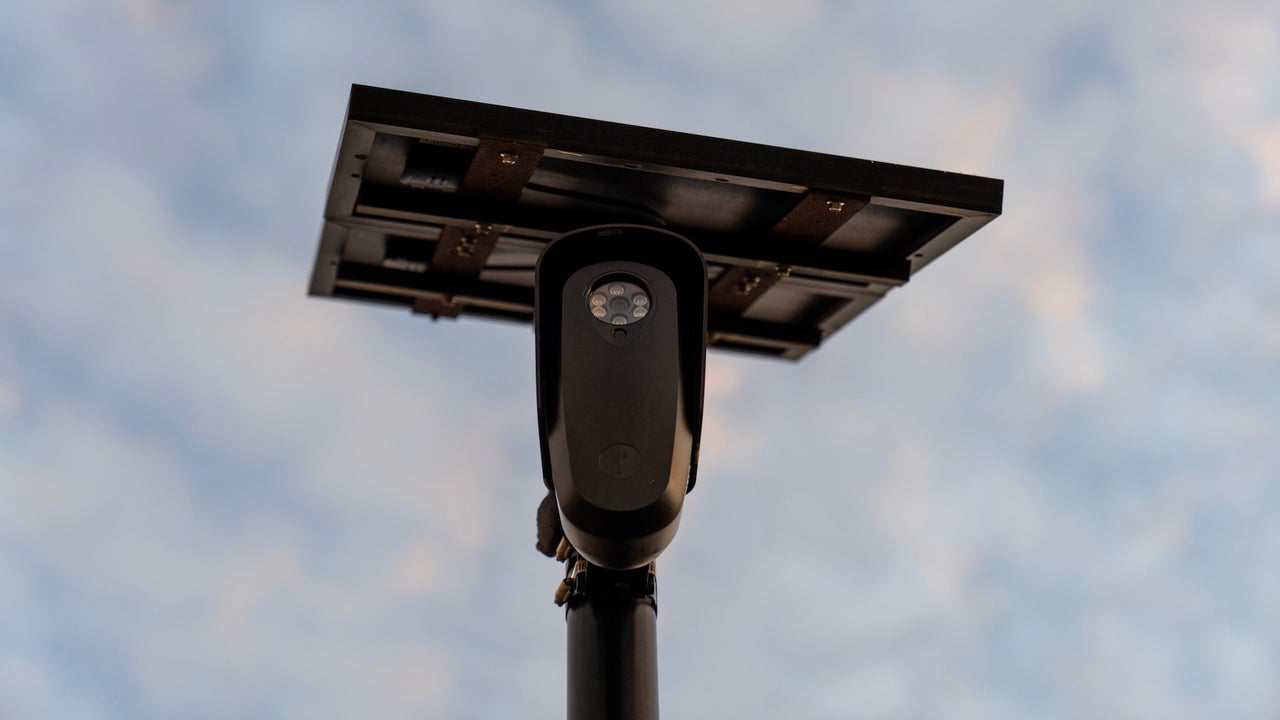
Flock Safety, a surveillance technology company facing increasing scrutiny, announced Thursday it is making changes to its platform to quell privacy concerns and address documented abuses of its system by some law enforcement users. The company operates a nationwide network of cameras that record passing vehicles' license plate numbers and other characteristics.
The changes include making previously optional safeguards mandatory. All law enforcement customers will be required to implement an audit tool designed to flag abnormal search behavior, locking out users pending internal review. The standard data retention window will be shortened from 30 days to seven, though data can be preserved longer if tied to a case number. Users will also be required to link each search to a specific case using a code from their records management system.
Critics expressed skepticism, with the American Civil Liberties Union calling some changes "retreads" of inadequate measures and the Institute for Justice labeling them "window dressing." Robert Frommer, an attorney at the Institute for Justice, argued the changes don't address the fundamental issue of police officers deciding who to search without warrants.
Flock CEO Garrett Langley stated the changes will drive accountability and give customers control over data access, allowing them to block searches for specific offense types, such as immigration enforcement. More than 50 agencies have canceled or suspended contracts with Flock this year amid growing backlash, and lawmakers have introduced legislation to restrict the technology's use. The debate highlights the tension between law enforcement's need for effective tools and the public's right to privacy.
The company's move comes as law enforcement and civil liberties advocates continue to debate the balance between using technology to fight crime and protecting individual privacy rights. The long-term impact of these new guardrails on data access and potential misuse remains to be seen, as scrutiny of surveillance technology is expected to continue.