Flock Safety Faces Backlash Over Privacy Concerns
Automated license plate reader (ALPR) company Flock Safety is facing significant public backlash due to privacy concerns. Over 50 agencies have canceled or rejected contracts with the company.
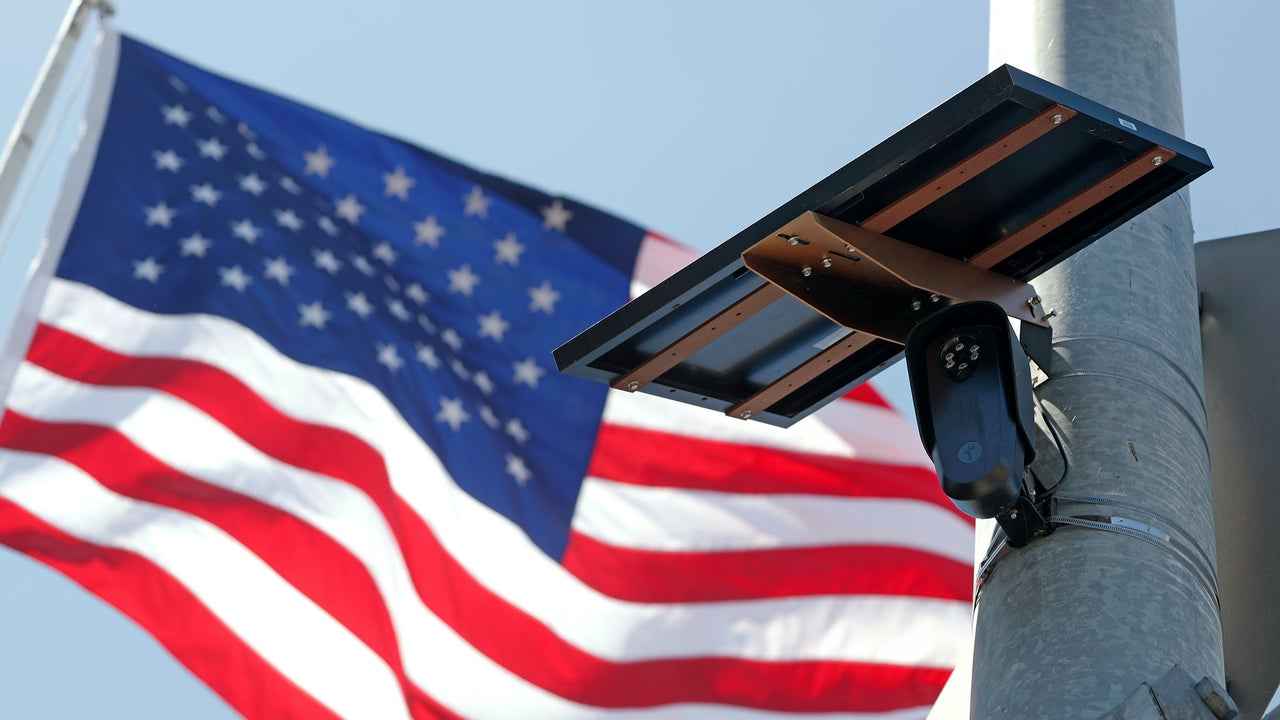
San Francisco – Flock Safety, a company specializing in automated license plate readers (ALPR), has encountered substantial public resistance in the United States driven by privacy concerns surrounding its technology. In response to widespread criticism, the company has announced a series of operational changes.
Since the start of 2026, more than 50 agencies or jurisdictions have either canceled, suspended, or rejected contracts with Flock Safety, or deactivated its cameras. This public pressure prompted Flock CEO Garrett Langley to announce changes to the service's operations on August 13. Key modifications include reducing the default data retention period from 30 days to seven, requiring case codes for police searches, and mandating the use of software designed to detect suspicious searches.
The developments represent a significant setback for the company and a victory for privacy advocates. However, critics argue that a campaign against Flock Safety alone does not address the broader issue of surveillance systems, of which Flock Safety is only a small component. Anaya Robinson, public policy director at the ACLU of Colorado, stated that Flock Safety has successfully brought people into the conversation about the technology, but the technology itself is what keeps them engaged.
Robinson suggests Flock Safety became a focal point partly due to how quietly its technology spread into communities. Many local government contracts were small enough to be signed without the legislative approval or public consultation that might have alerted residents. Once people began investigating, controversies surrounding Flock Safety provided ample material. "The more people understand that Flock cameras or other types of ALPRs or other types of surveillance are being used in their jurisdictions, the more concerned people become," Robinson noted.
Some observers believe that by shunning Flock Safety, communities risk simply changing the brand of surveillance technology rather than eliminating it. In Denver, Colorado, officials did not renew Flock Safety's contract due to strong criticism and data access concerns. They subsequently approved a $150,000 contract with competitor Axon for 50 ALPR cameras. Privacy advocates who pushed for Flock Safety's removal also opposed the Axon deal.
Cooper Quintin, senior staff technologist at the Electronic Frontier Foundation, commented that while the pushback against Flock Safety demonstrates communities' ability to constrain surveillance companies, voluntary product changes do not tackle the root cause of the problem. Quintin advocates for requiring a judicial warrant for invasive searches like ALPR database queries. He urges policymakers to use this moment, when even a leading ALPR vendor admits to insufficient measures against abuse, to codify meaningful legal protections.
While Flock Safety's role as a lightning rod for the debate over the surveillance state is useful, driving the company out of town only to purchase similar technology from another vendor risks winning a specific battle while losing the broader fight against unwarranted surveillance. As Robinson from the ACLU stated, "The real root of the problem isn’t one singular vendor. It’s the unregulated use of this technology itself."